
Railways were a lifeline for Guelph, connecting people and industry to Toronto. This was pivotal in the city’s history, allowing it to grow in population and economic activity.
Guelph’s railways have not carved up the city to the same degree as other cities. But they do remain as long, restricted corridors in some spots that cut off access across, over or under them for large distances. This creates increased travel times for pedestrians and cyclists. Improved access across these corridors is low hanging fruit to improving Guelph’s broader active transportation network.
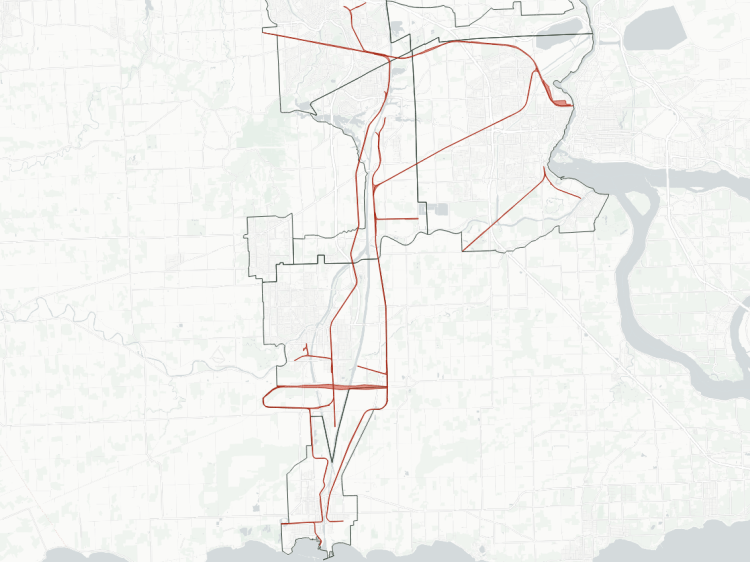
Check out some stats and an interactive map below.
History
Railways came to Guelph 11 years before Confederation. The Grand Trunk Railway was the primary player that came through town, but a desire to protect local industry from a monopoly spurred the city to create and build its own railway. This arrangement has remained in place since, and has significantly shaped the fabric of the city.
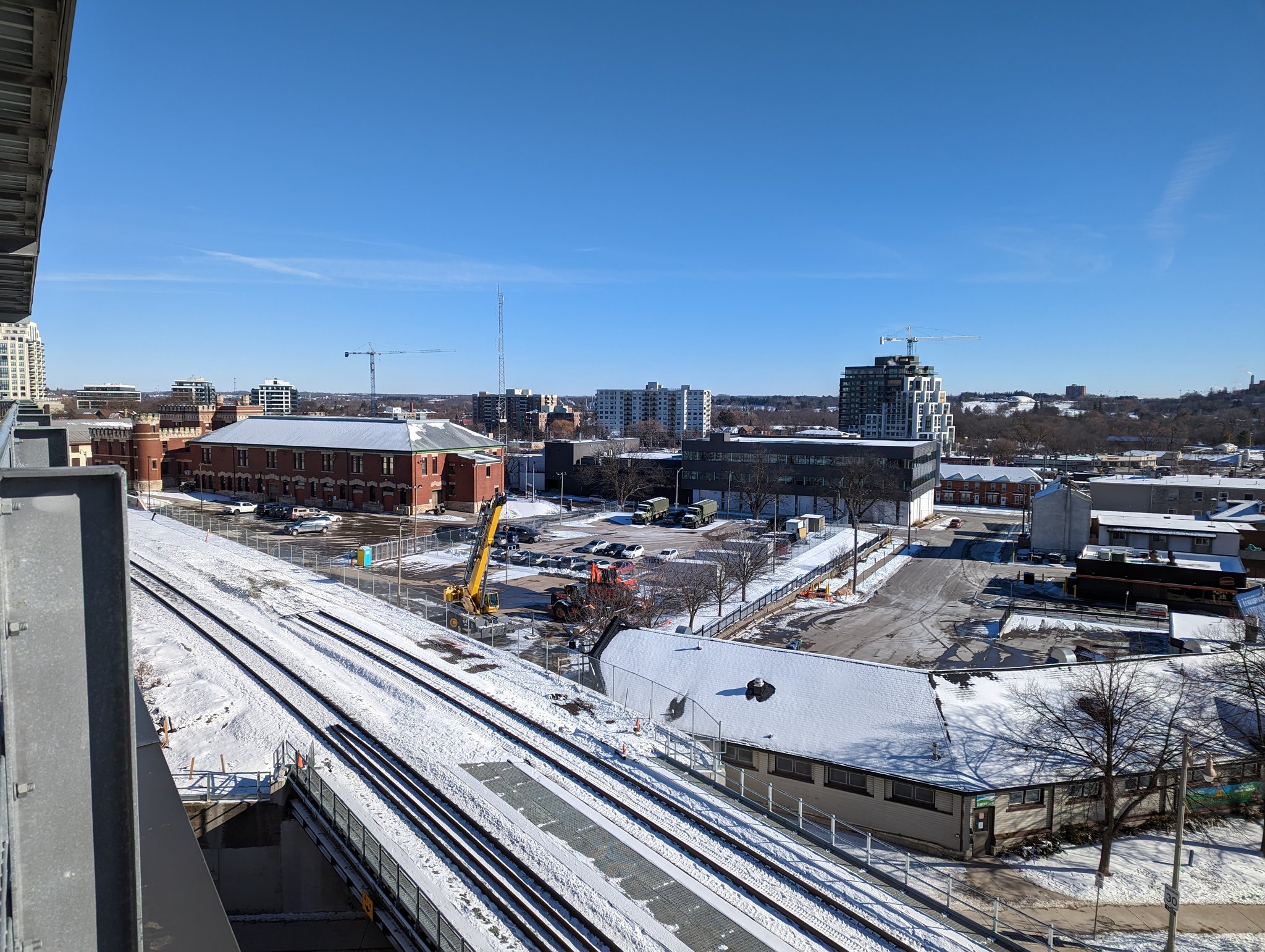
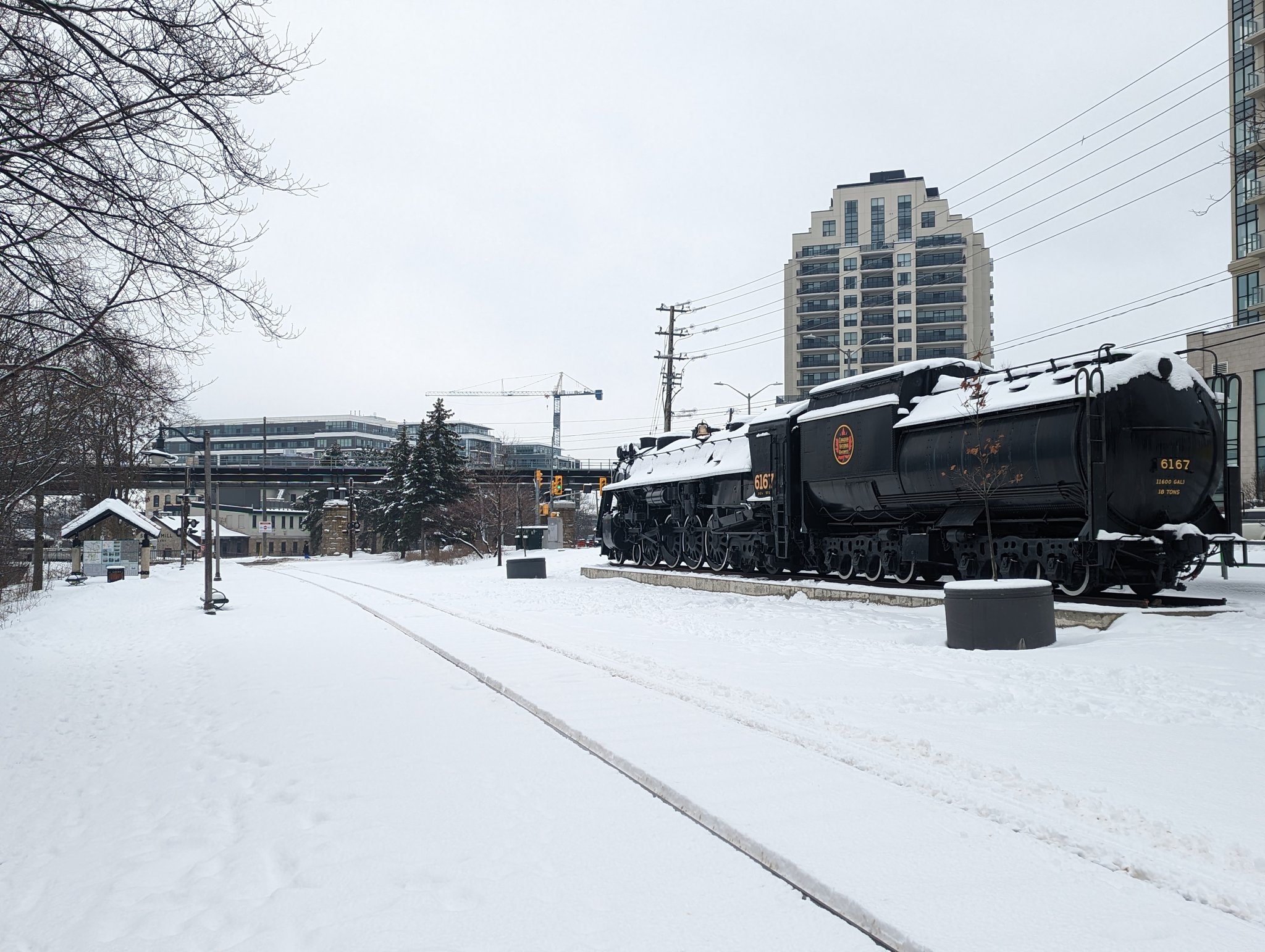
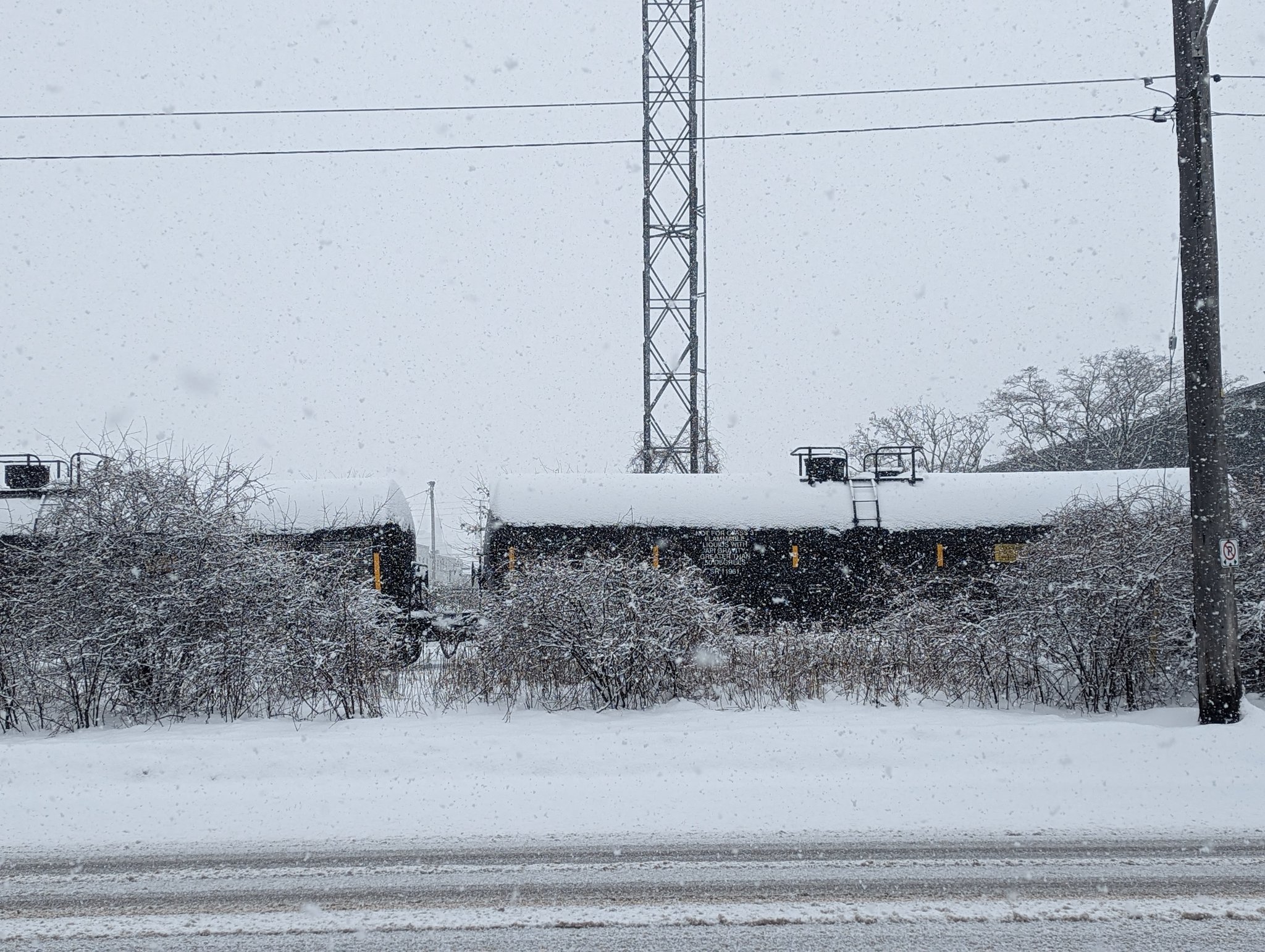
Industry in the area continues to be served on city-owned rail lines, with options between two main freight carriers. The Guelph Central Station forms the centre of this system for transporting people, with the 1911 station building being the defining feature. This hub allows for easy interchange between VIA trains, GO trains and busses, as well as local buses. It is also the gateway into the core of the city, as any proper city should have.
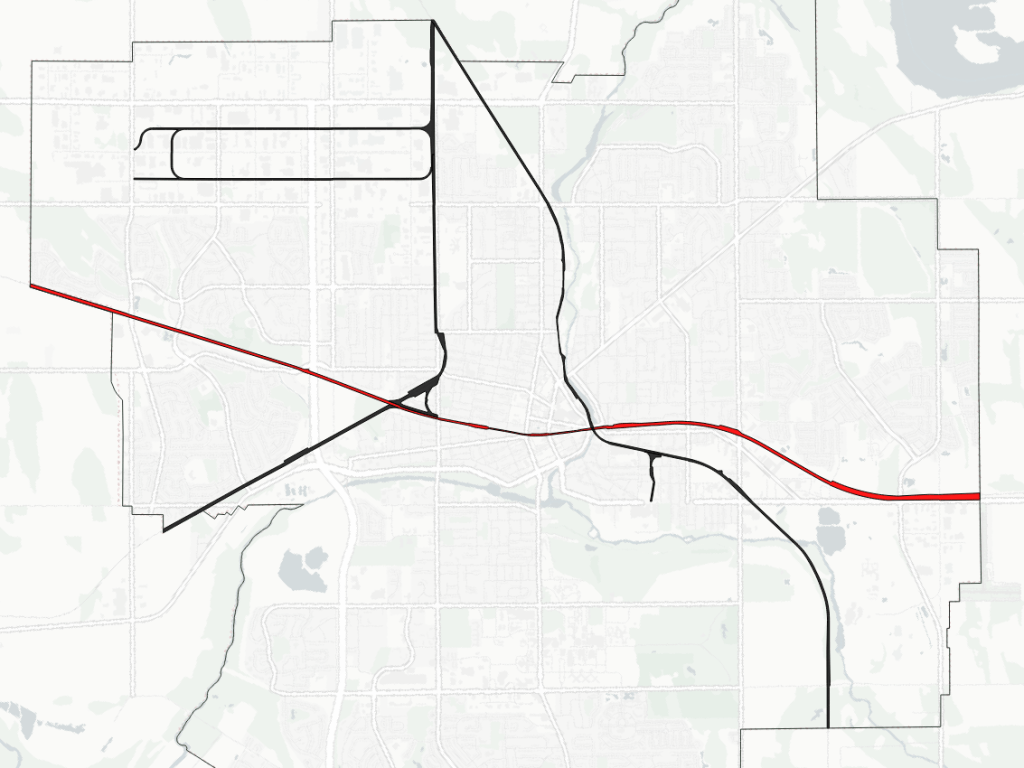
Guelph Subdivision
Area: 31.3 ha
Length: 10.1 km
Average Width: 31 m
Tracks: 1 – 2
Crossings:
Roads: 16
Highways: 1
Railways: 1
Watercourses: 5
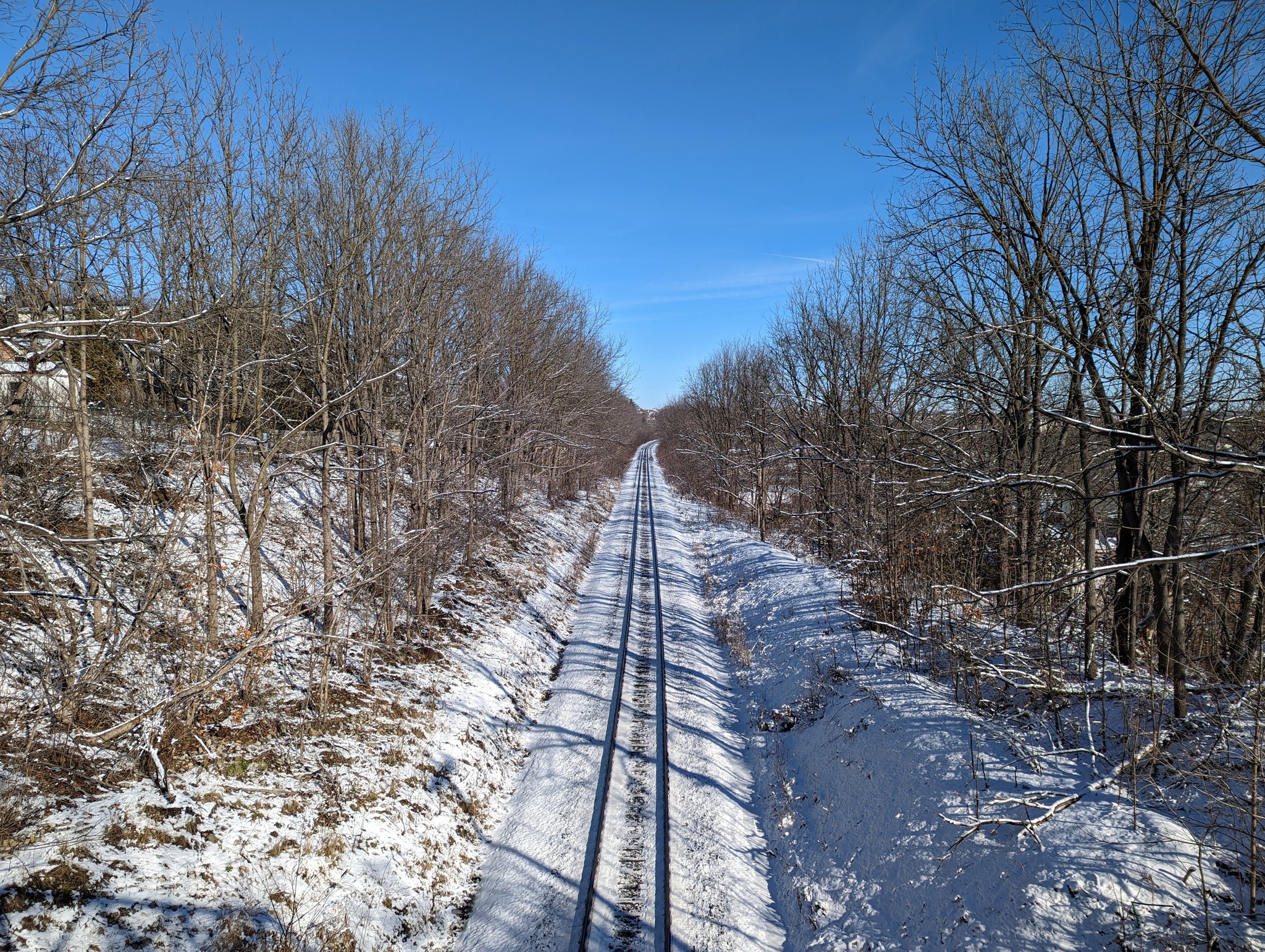
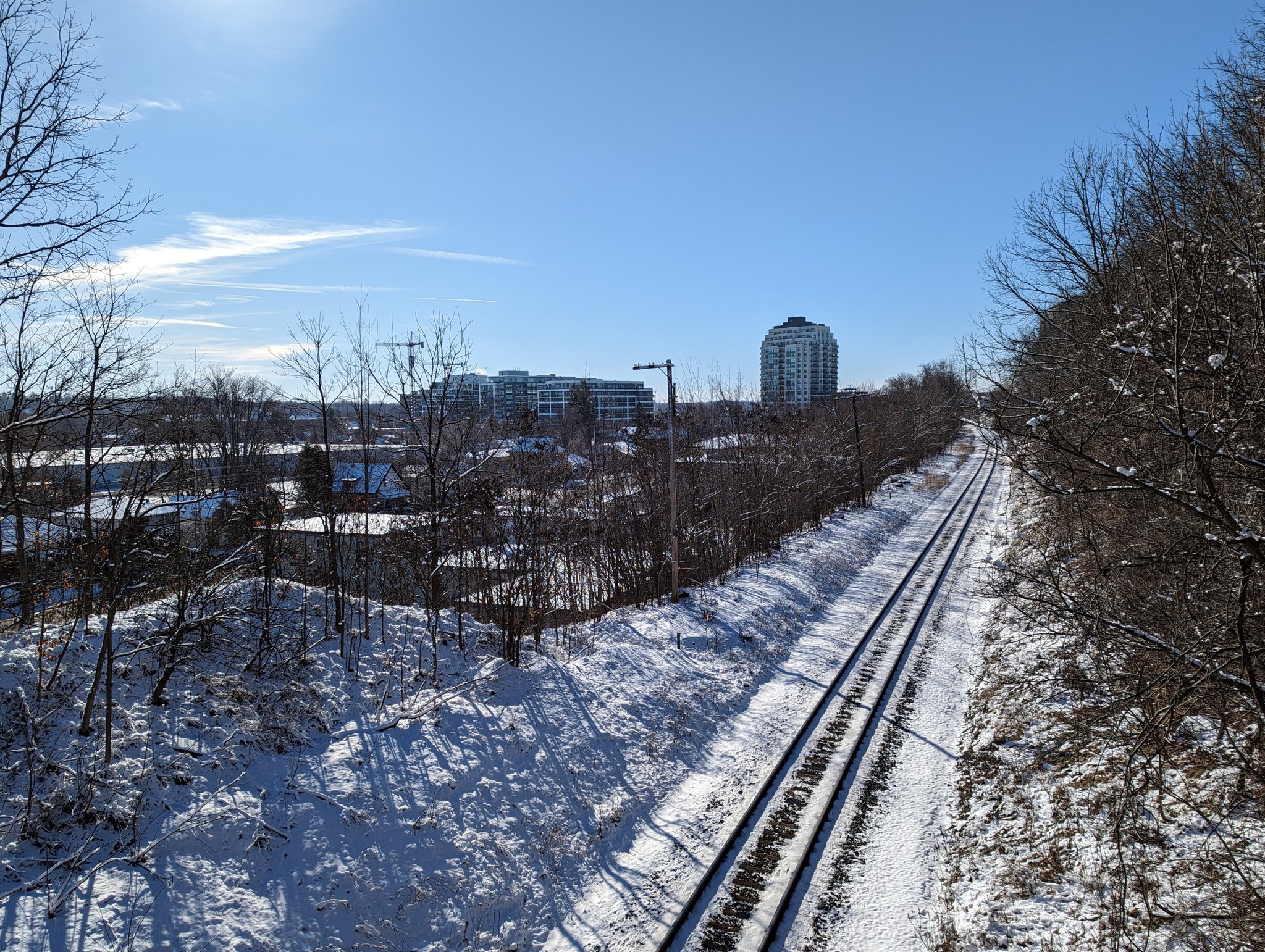
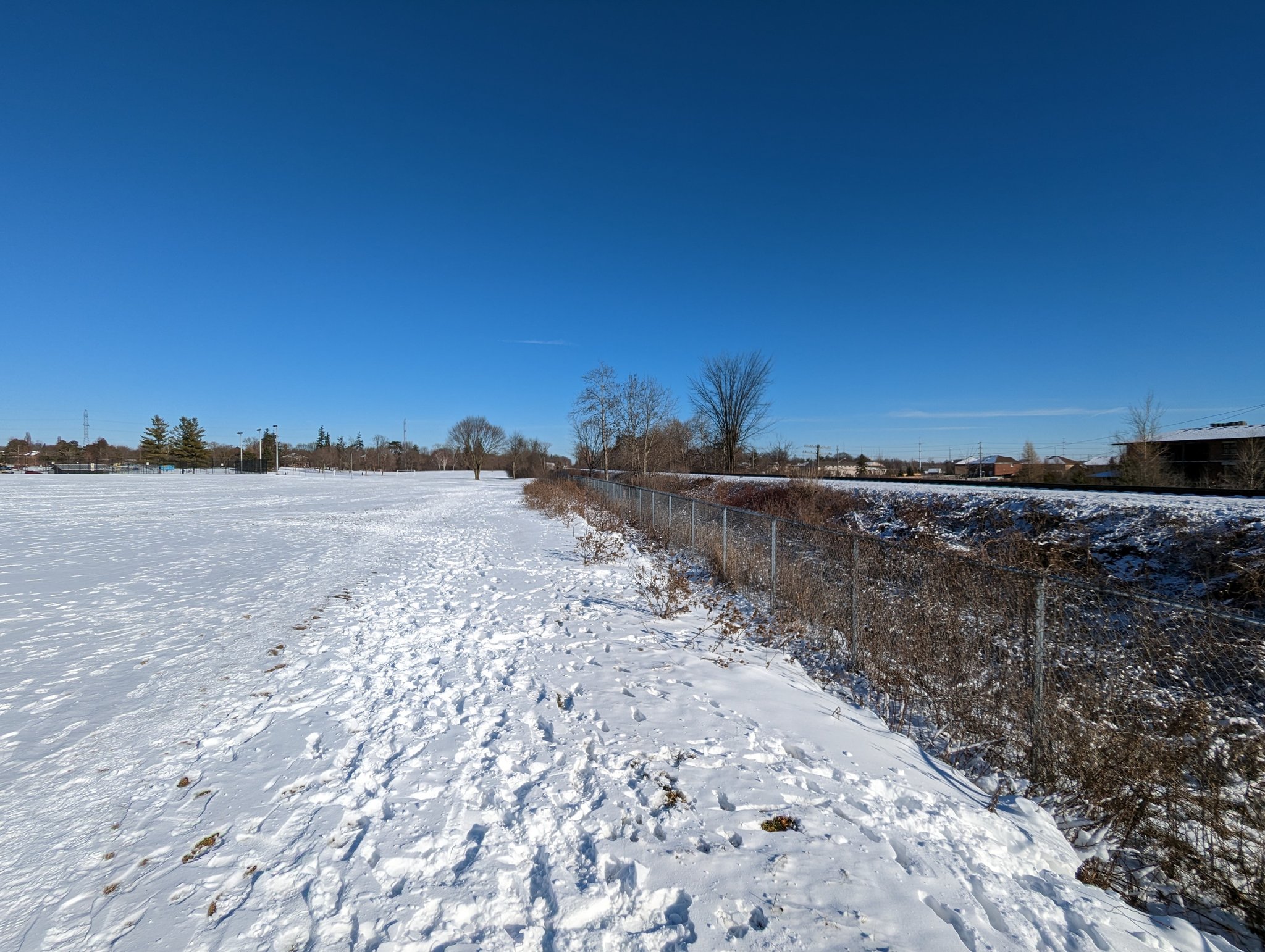
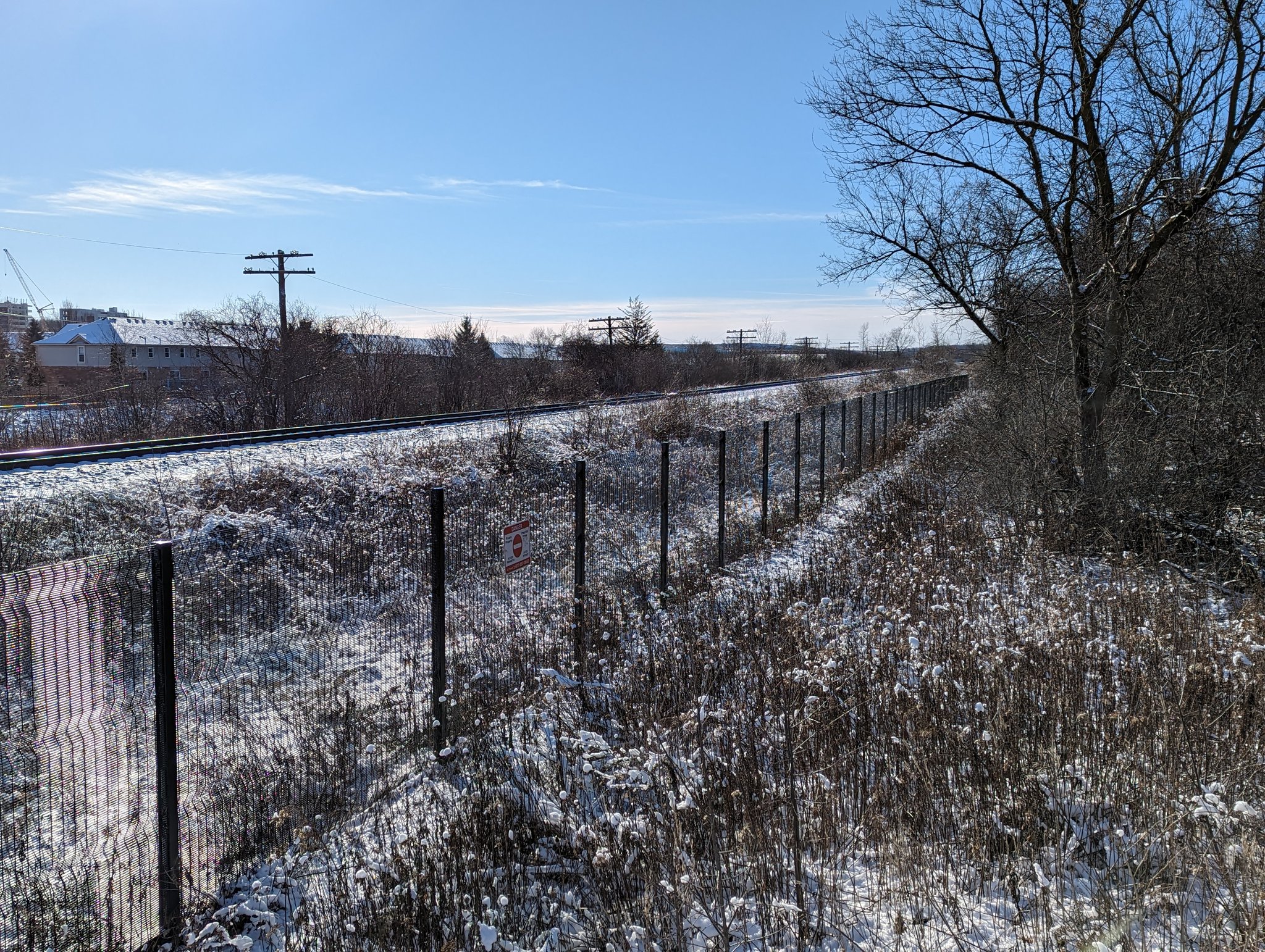
The Guelph subdivision was the first major railway built through Guelph. Built by the Grand Trunk Railway in 1856, it established GTR’s mainline from Toronto through the city towards London. GTR was eventually absorbed by Canadian National Railway (CN). Through this, both freight and passenger train service was offered to the City, connecting people and goods to Toronto and southwestern Ontario.
The current train station along the line was built in 1911. As with the rest of the country, passenger service offered by CN and Canadian Pacific Railway (CP) was folded into VIA Rail Canada in 1977, and that included passenger services at Guelph Station. GO Transit began offering train service to Guelph in 1990, but it and and an extension to Barrie were rolled back in 1993. GO trains returned to Guelph with a service extension to Kitchener in 2011, and Metrolinx bought part of the line between Georgetown and Kitchener in 2014 for long-term upgrades and operation.
CN continued to operate freight services the line until 1992, when it leased the line (between Georgetown and London) to the Goodrich & Exeter Railway (GEXR). This arrangement remained in place until 2018, when the lease was not renewed, and CN took back operations.
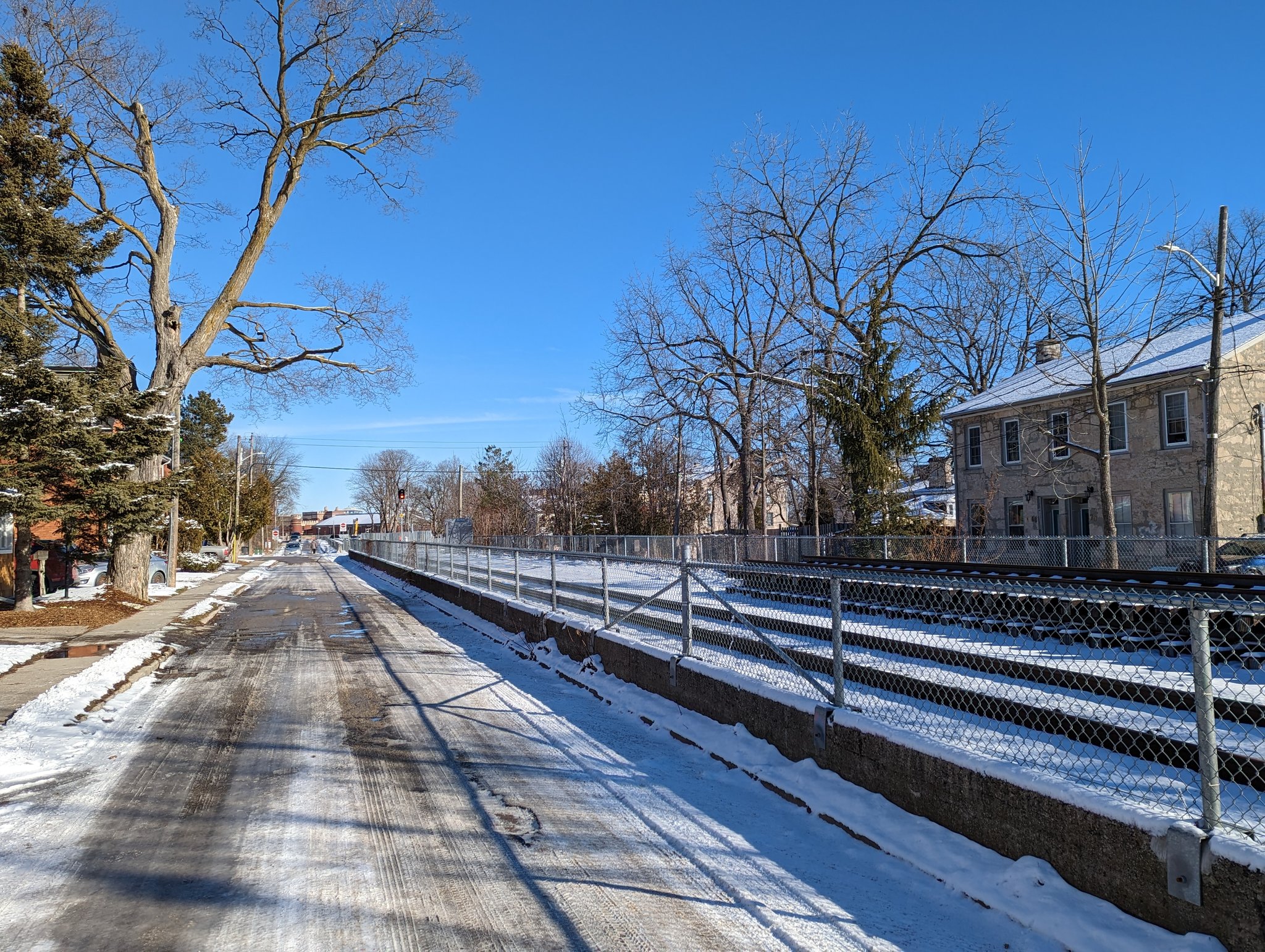
The line is mostly a single track. Two tracks existed between Guelph Central Station and Highway 6, but the second track was partly ripped up around when CN sold the line. This coincided with installation of a signal system along the line to improve train capacity and safety. Metrolinx began re-installing the second track in the 2020s, which also required a new retaining wall between Wyndham and Dublin Streets. This allowed for greater train speeds, also increasing train capacity and reducing trip times.
Check out Guelph Sub (Guelph) for more images and descriptions











Goderich Subdivision
Area: 19.9 ha
Length: 9.6 km
Average Width: 21 m
Tracks: 1
Crossings:
Roads: 18
Railways: 1
Watercourses: 2
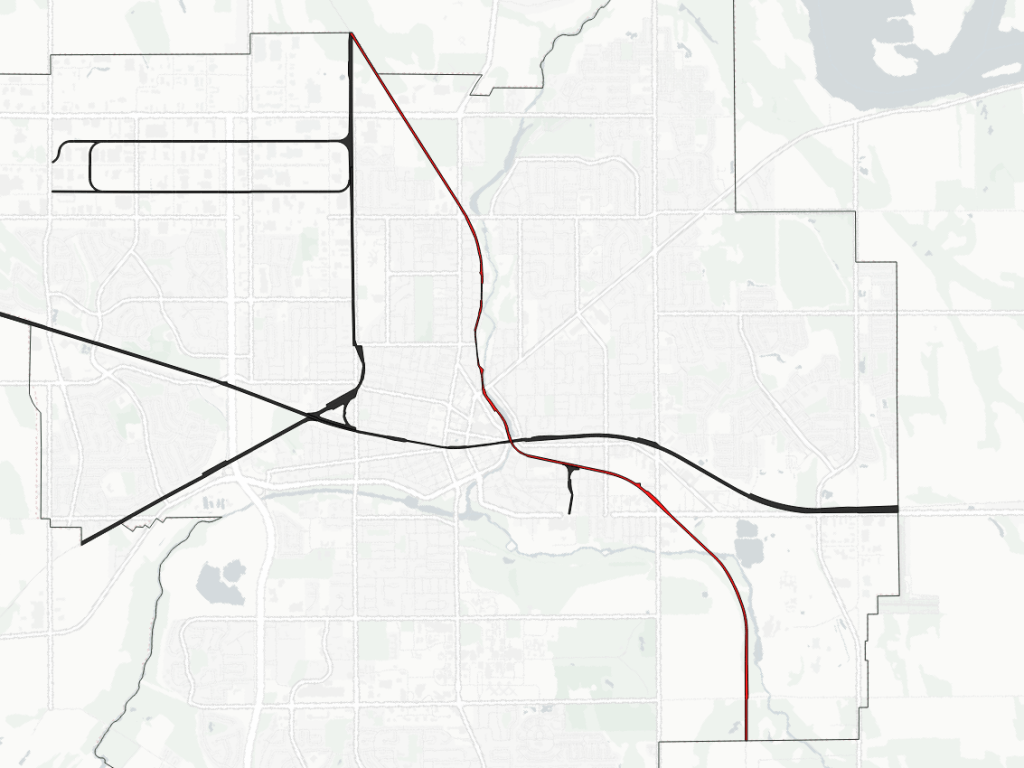
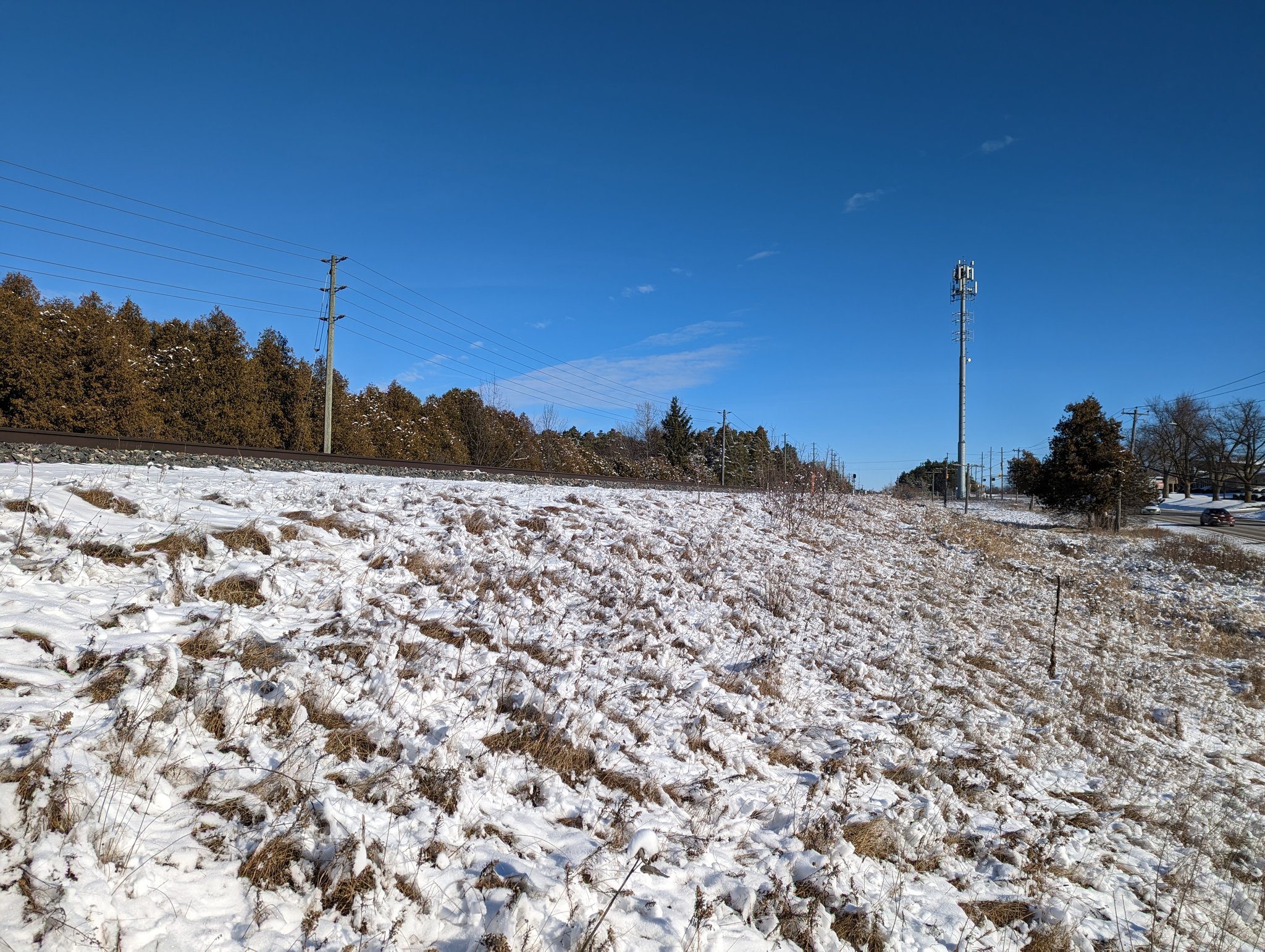
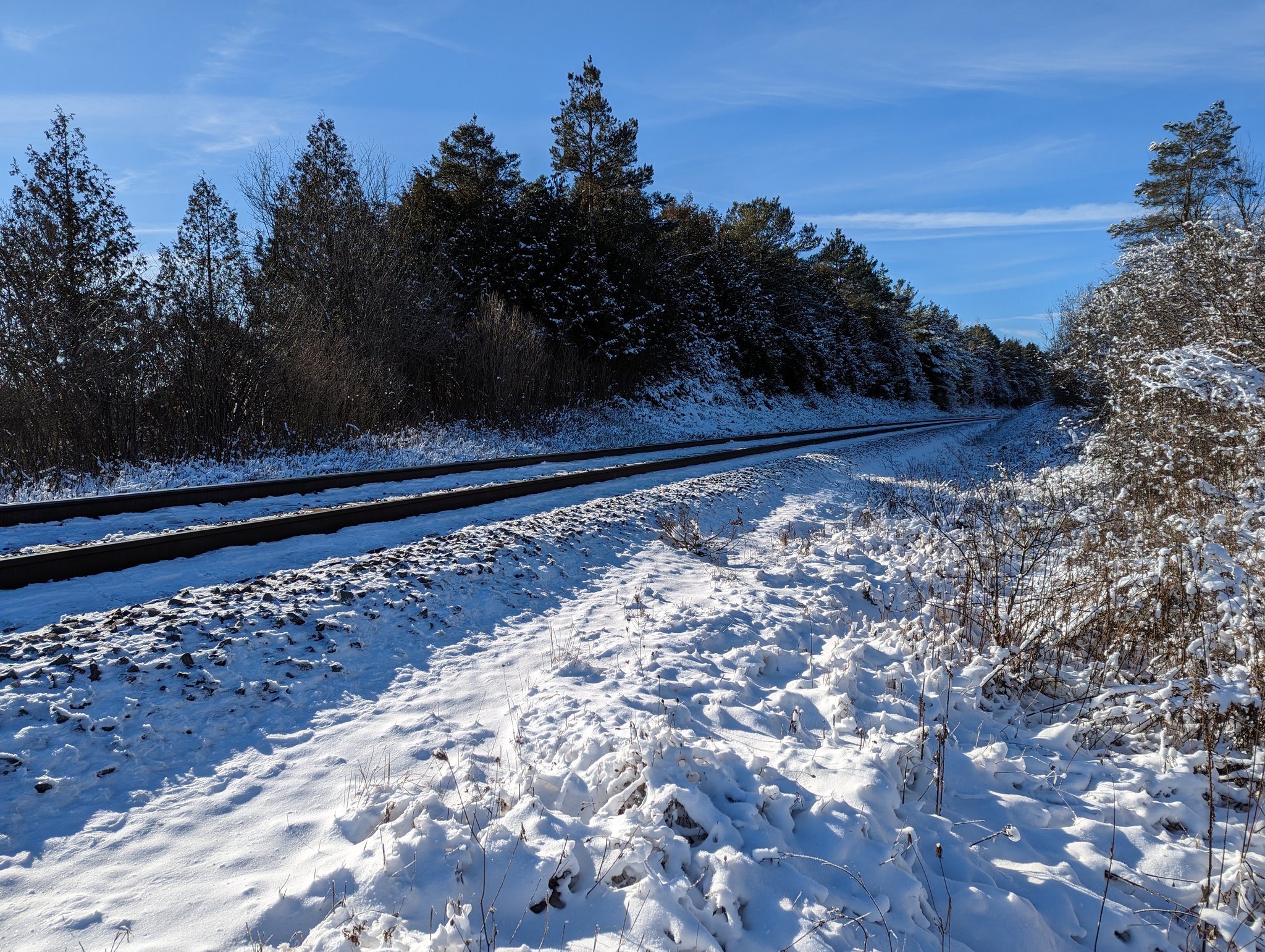
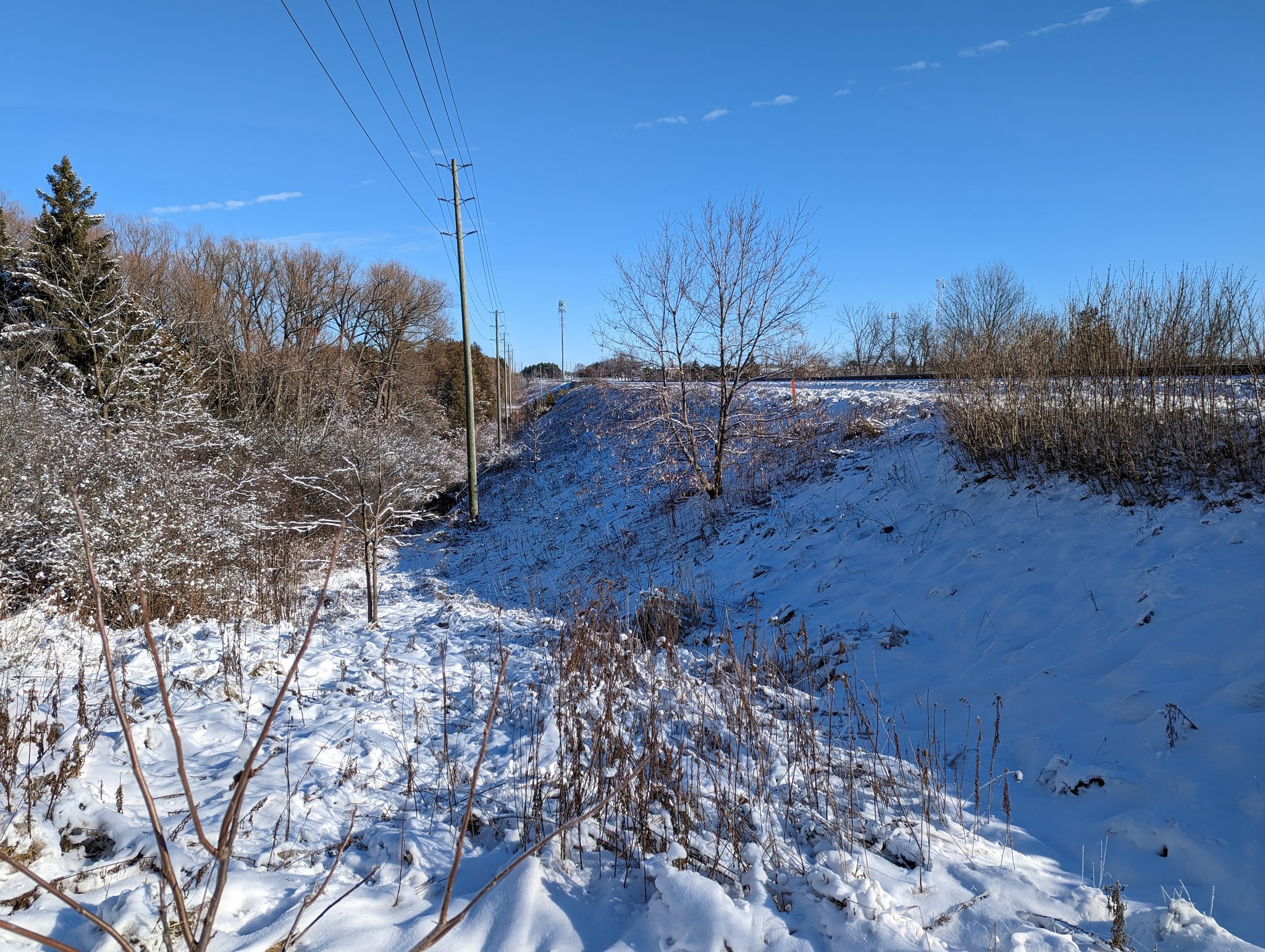
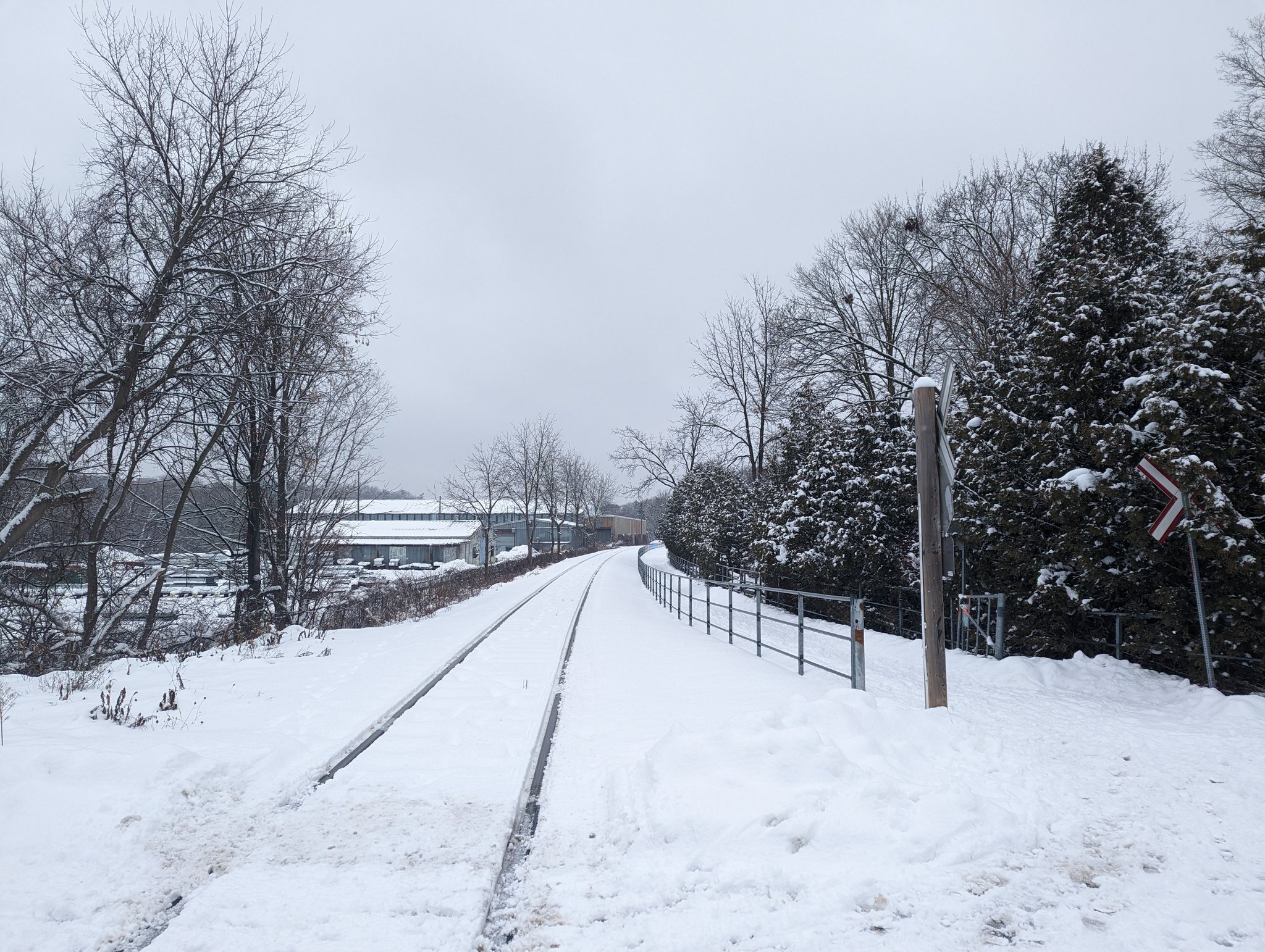
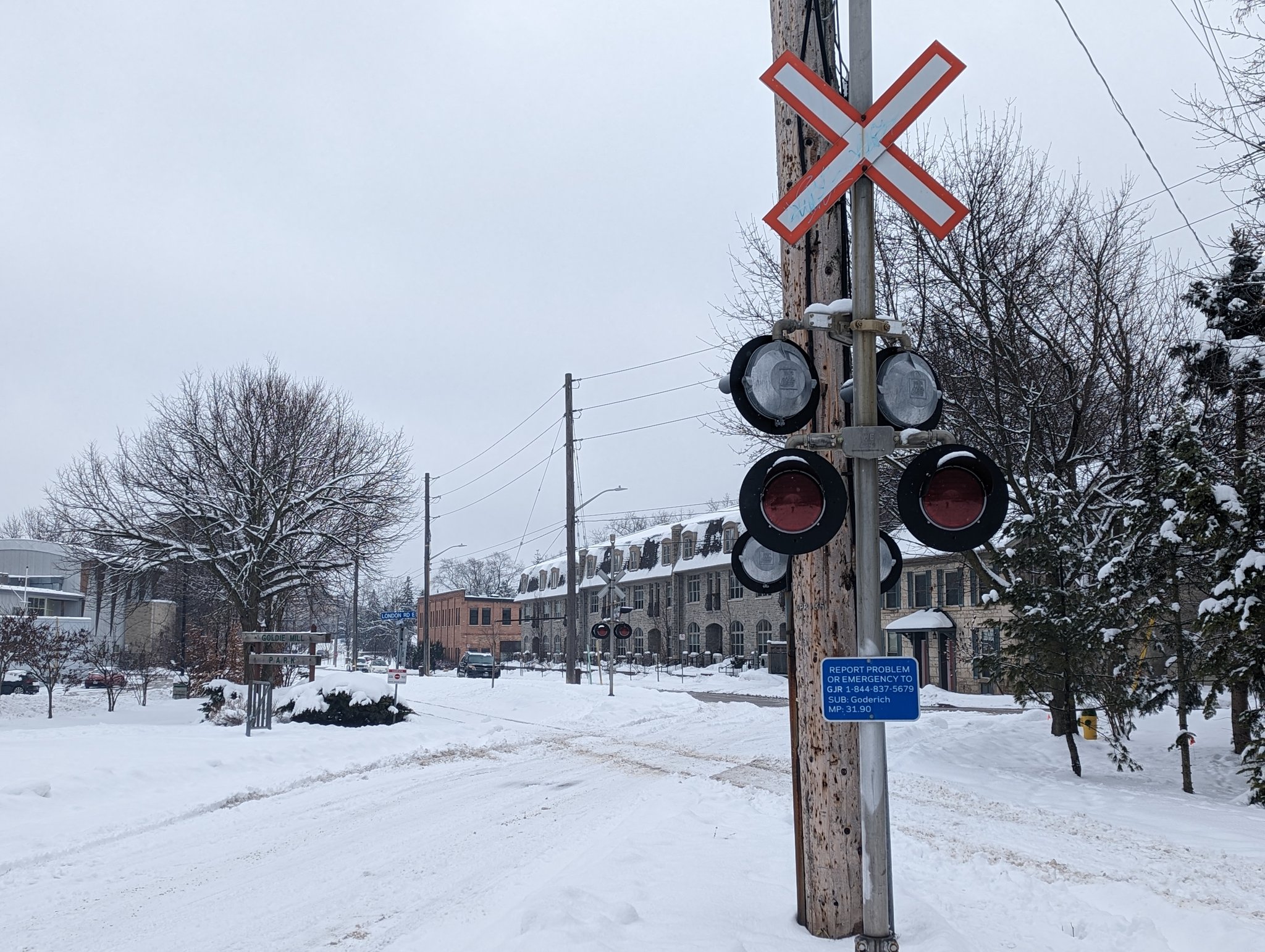
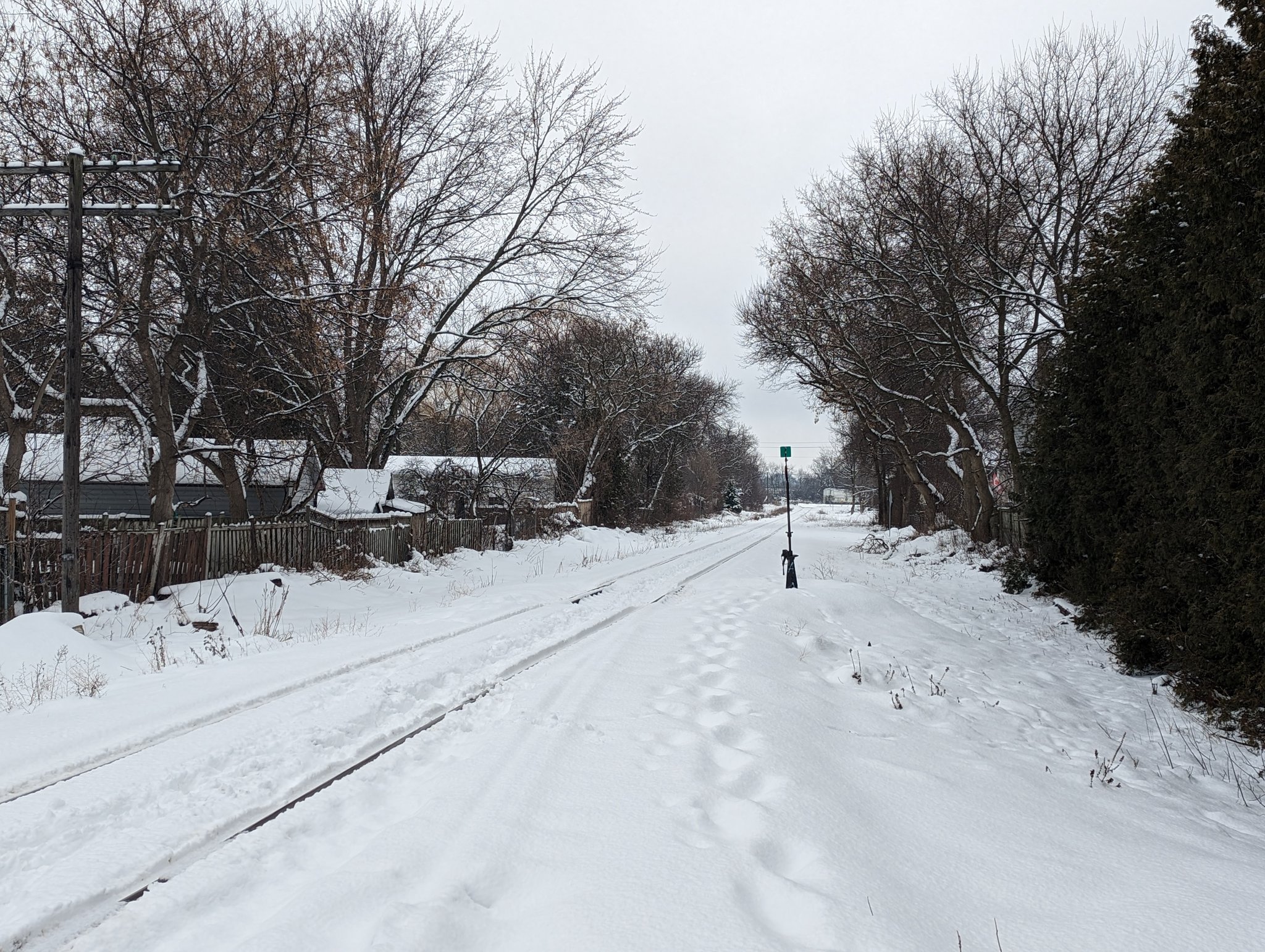
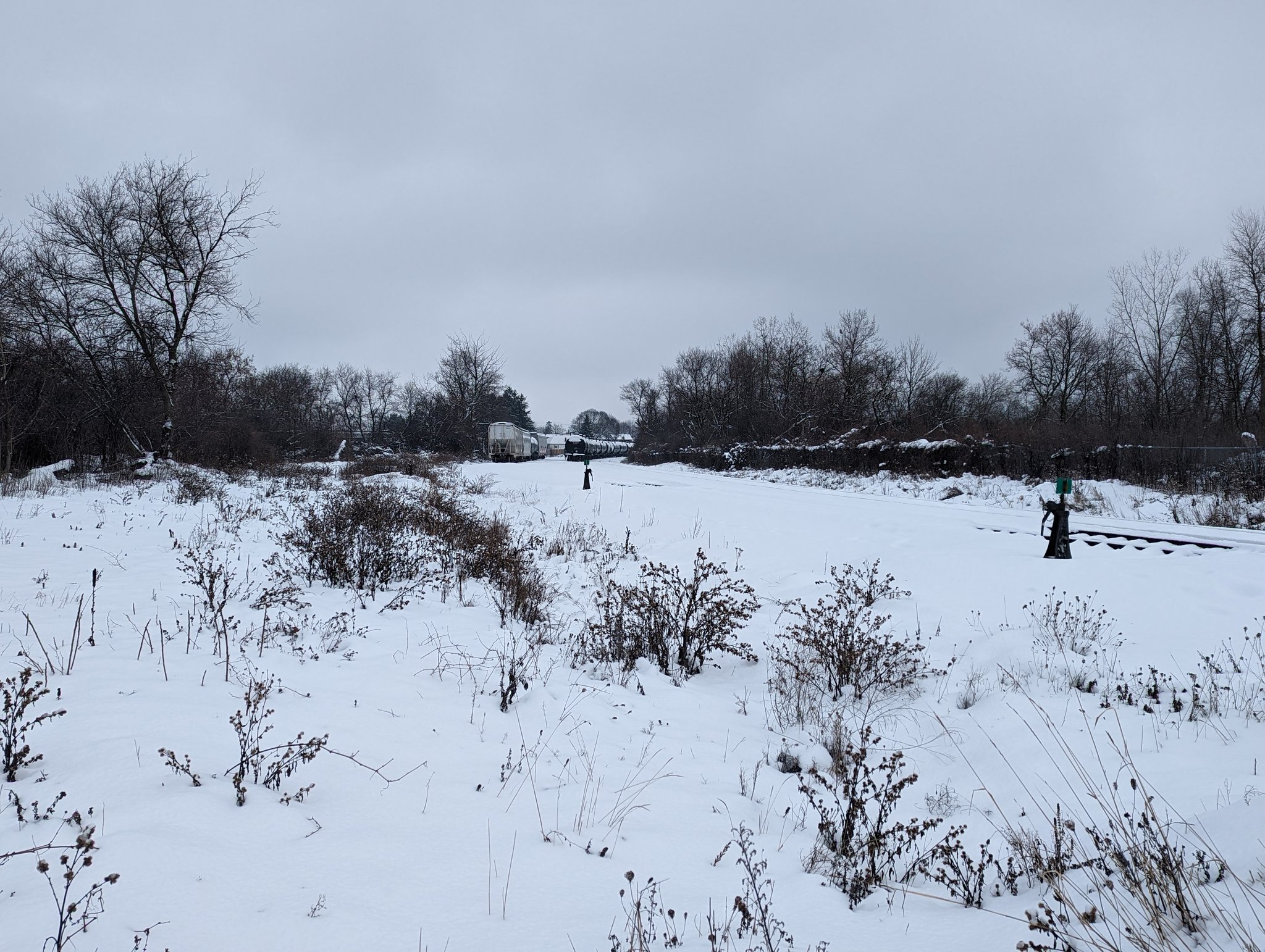
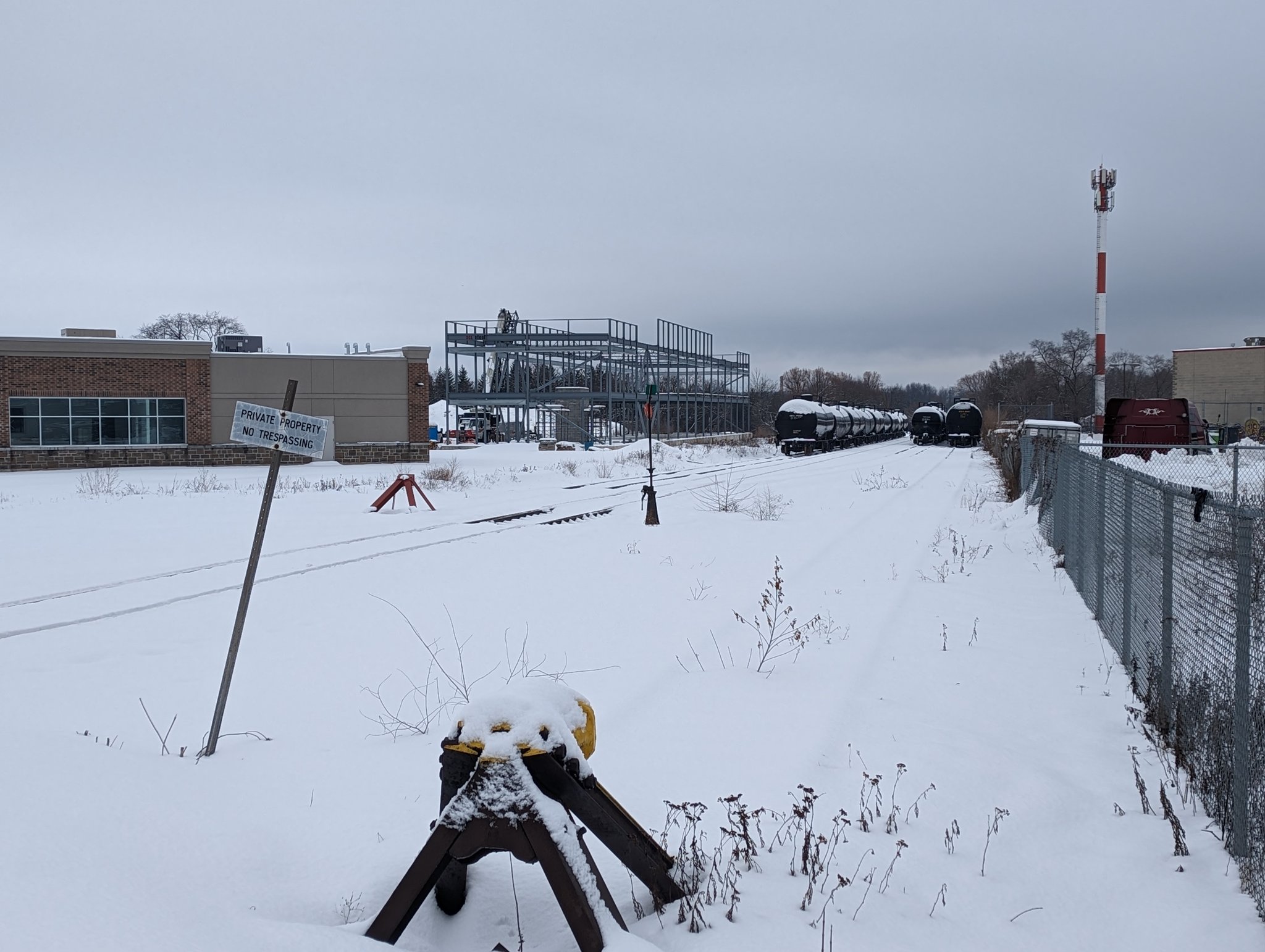
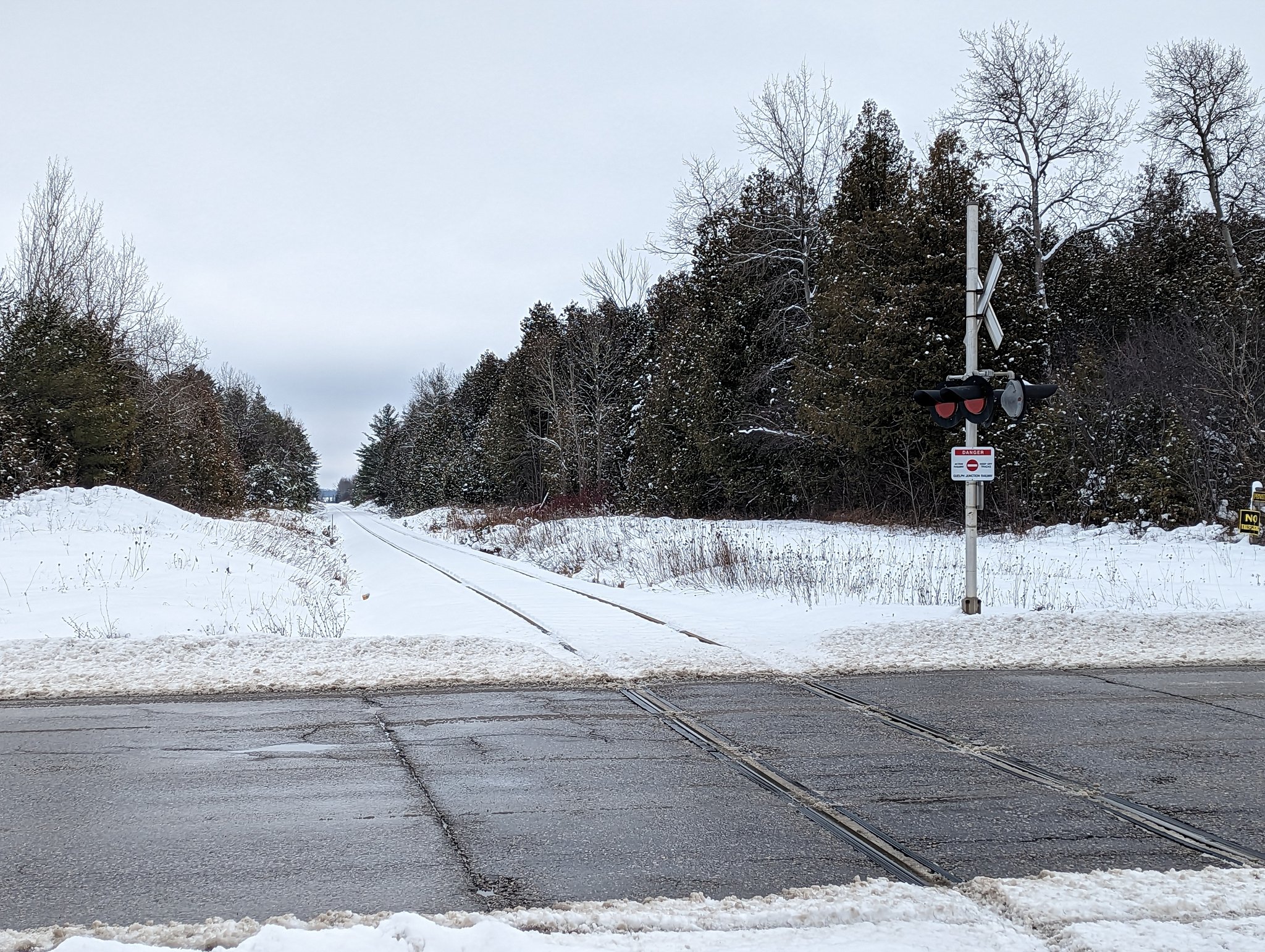
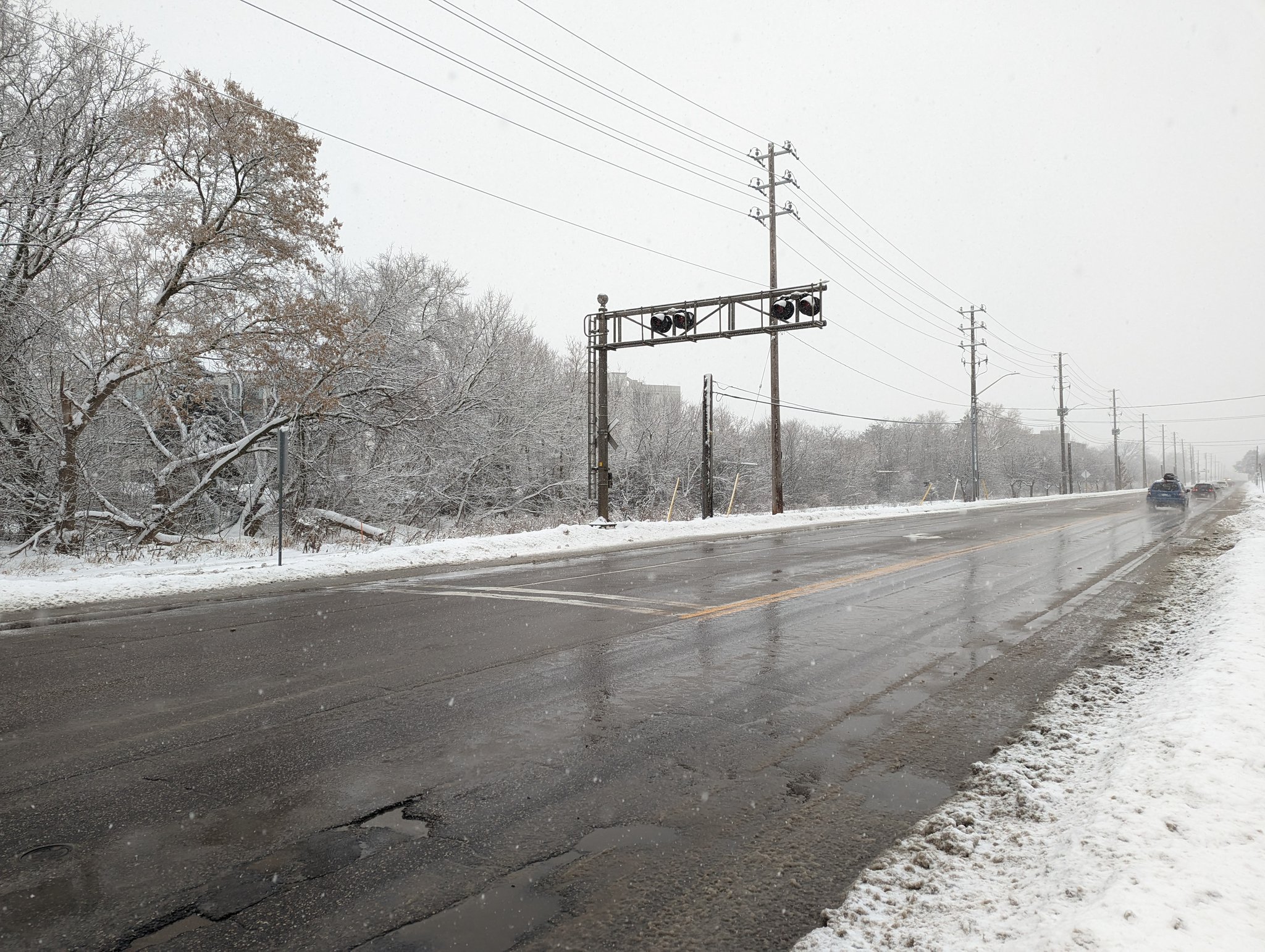
The Goderich subdivision was borne out of local industry’s dissatisfaction with GTR’s monopoly on freight railway services. The Guelph Junction Railway (GJR) was incorporated in 1884, and construction of the Goderich Subdivision south to the mainline of CP (now Canadian Pacific Kansas City; CPKC) was completed in August 1888. This opened up Guelph’s local industry to two competitors, and that arrangement has remained in place since.
In 1910, the City became the sole shareholder of GJR, making it the first municipally
owned railway in the British Commonwealth, and it remains one of roughly a dozen iun Canada today. The City has not operated the line itself. The line was leased to CP from its opening until 1997, when CP indicated it had no interest in renewing. The City then contracted line services out to Ontario Southland Railway between 1998 and 2020, and subsequently to GEXR since 2020.
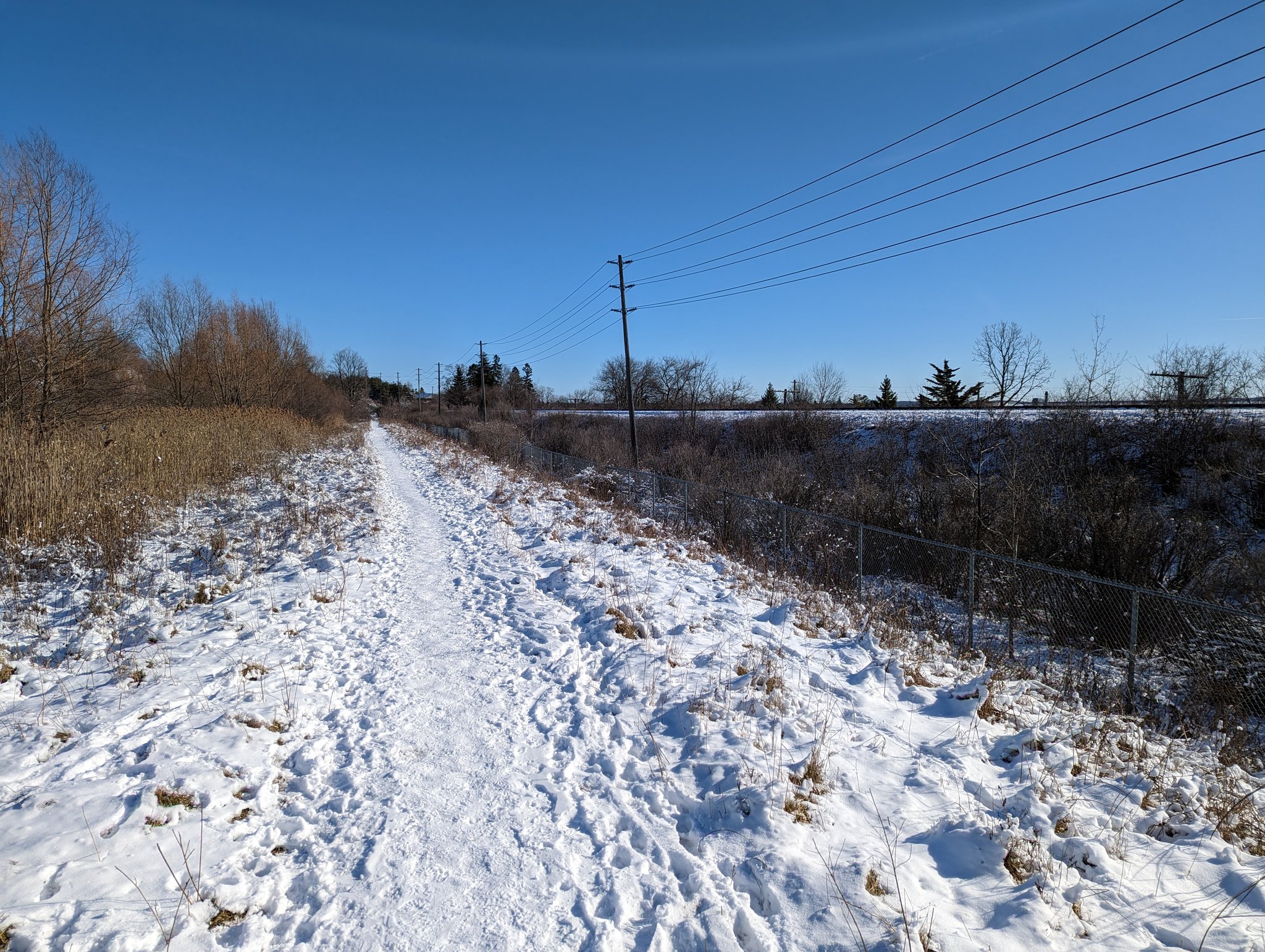
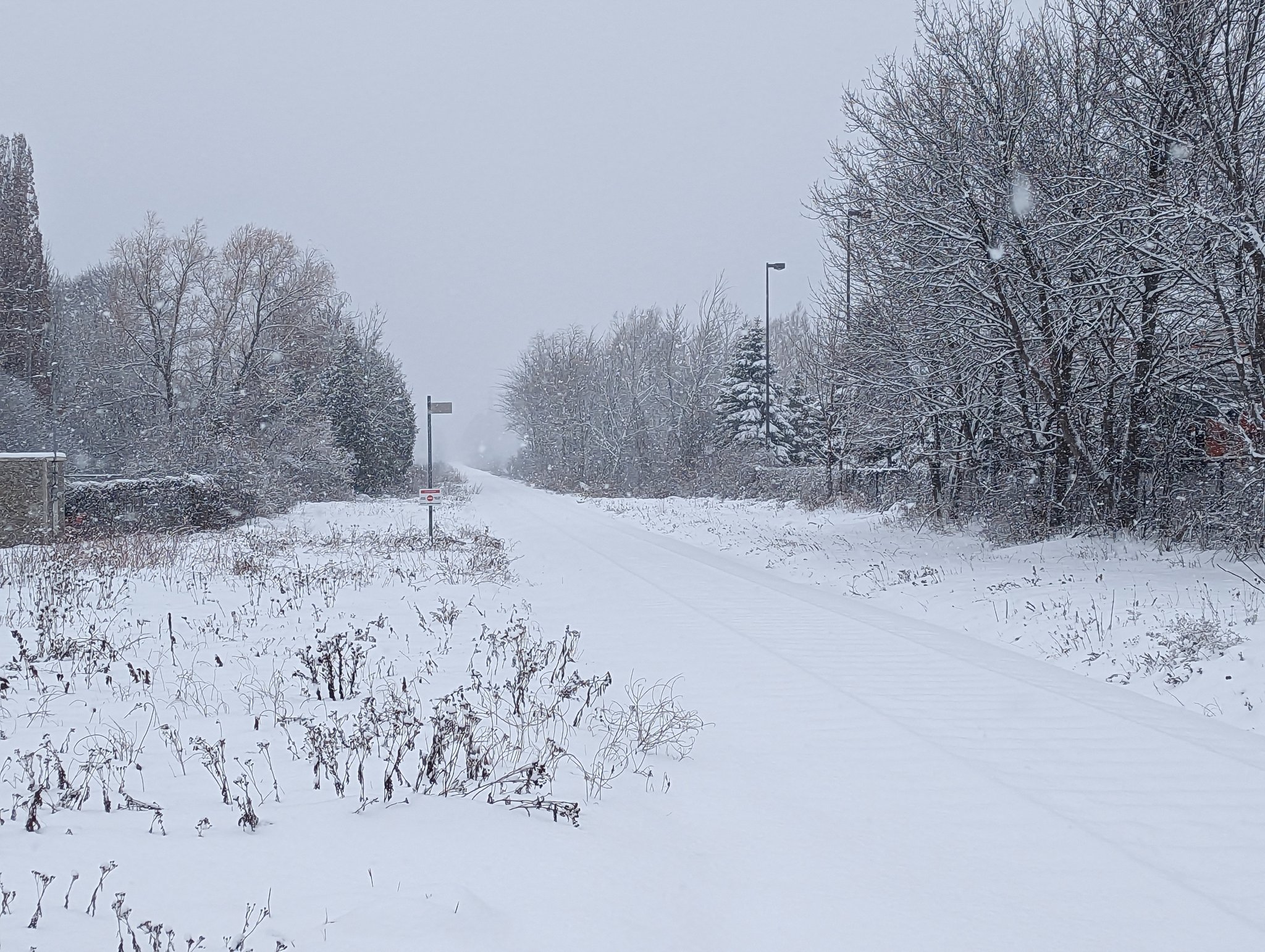
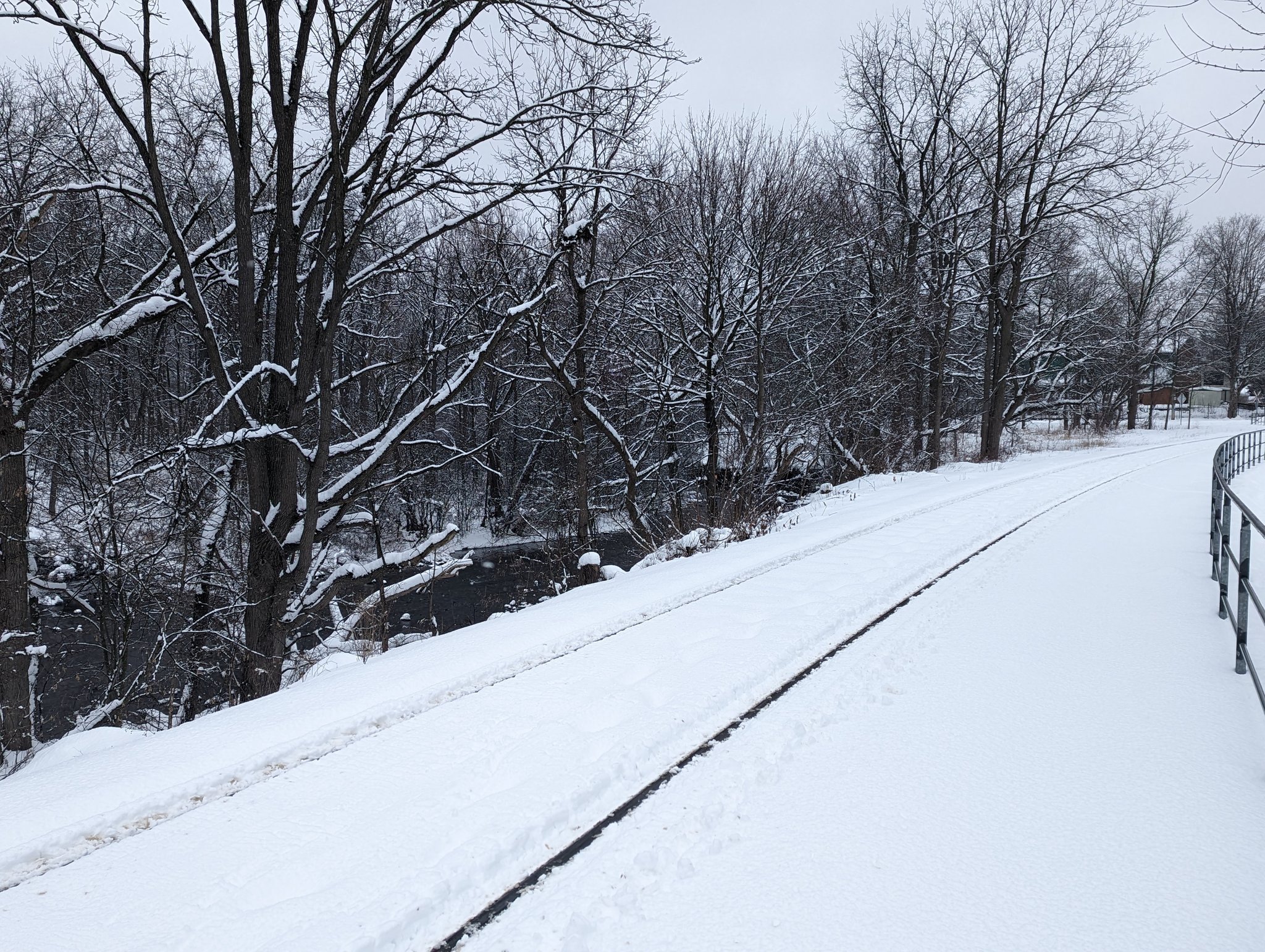
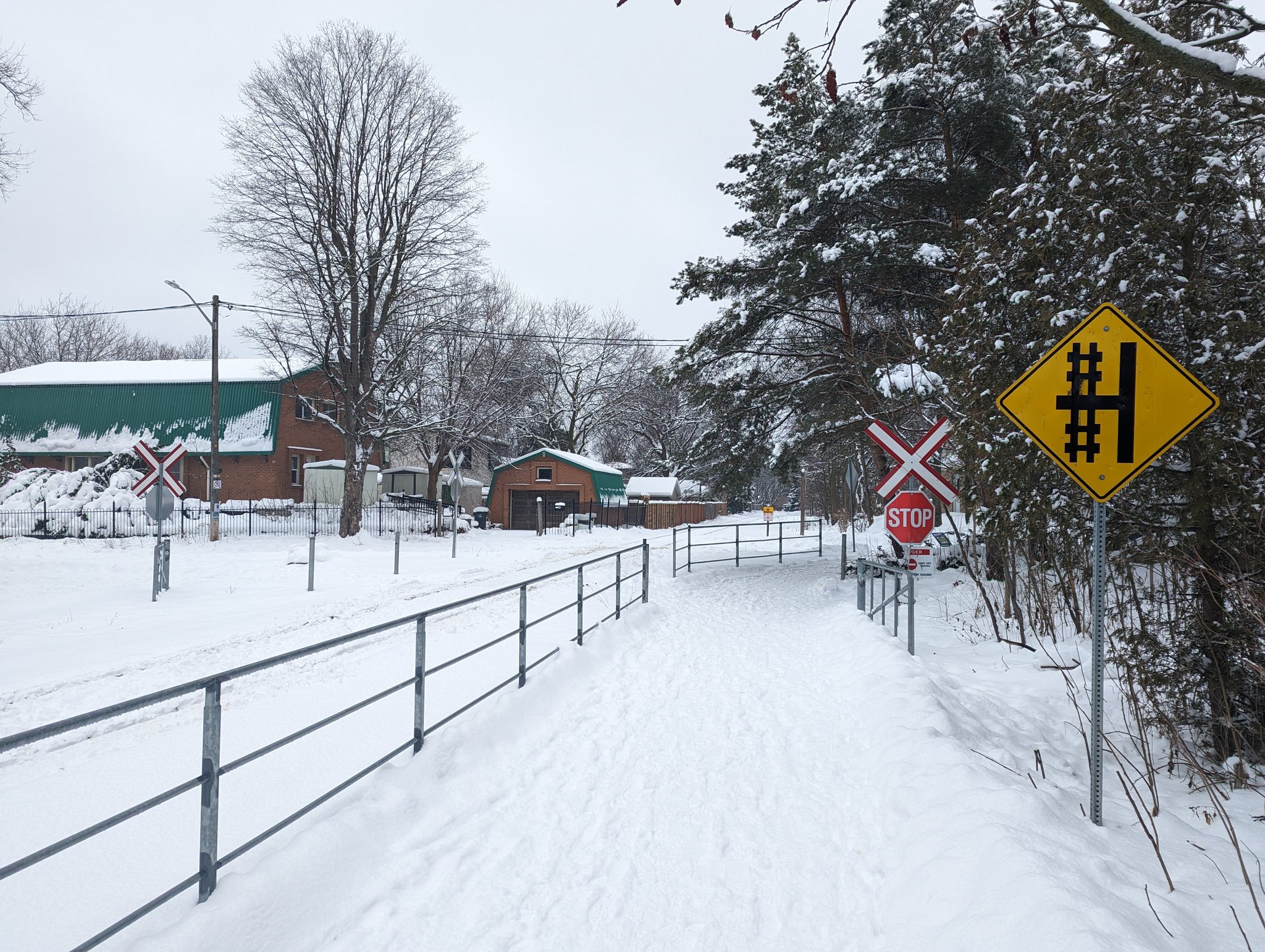
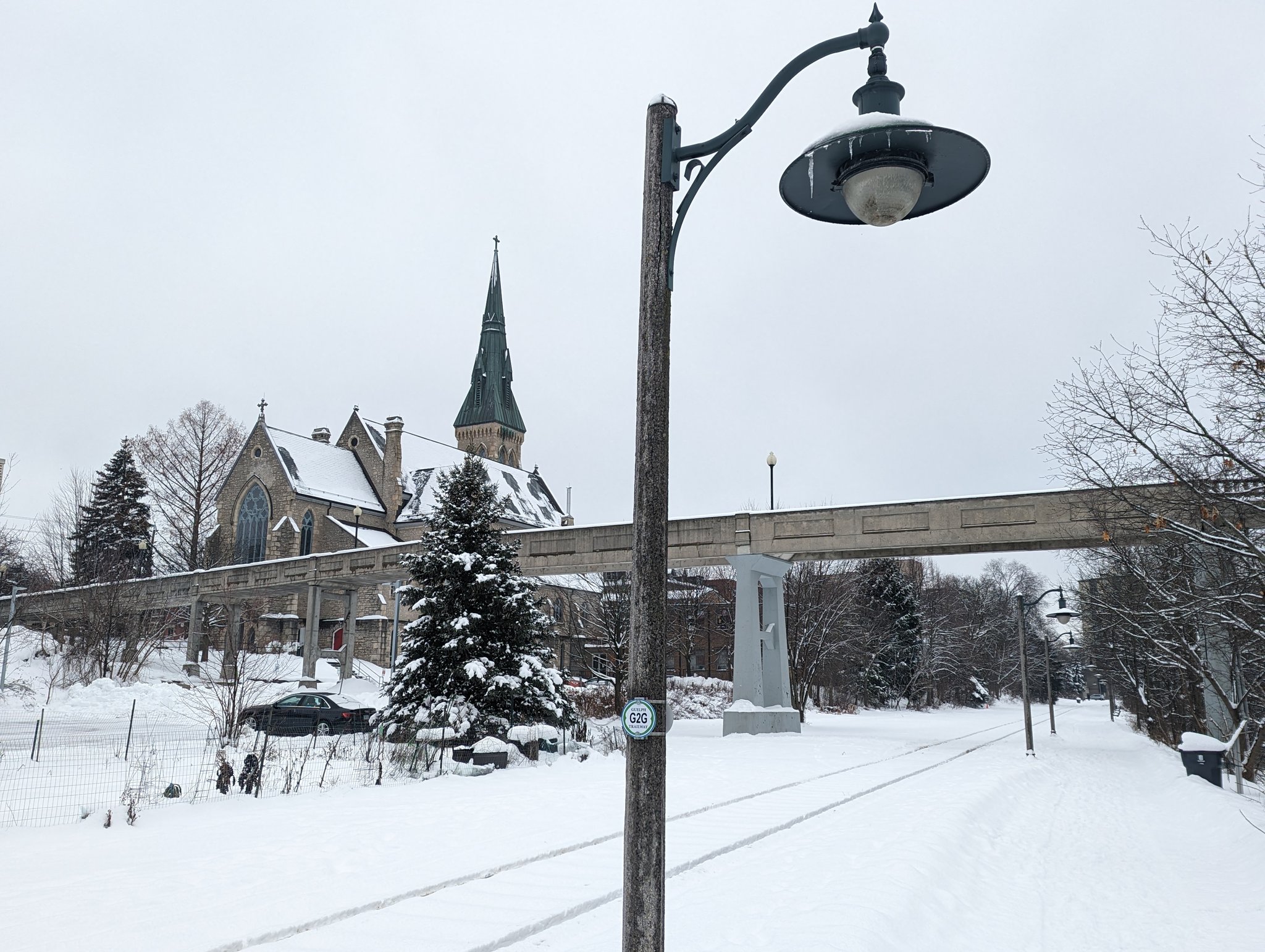
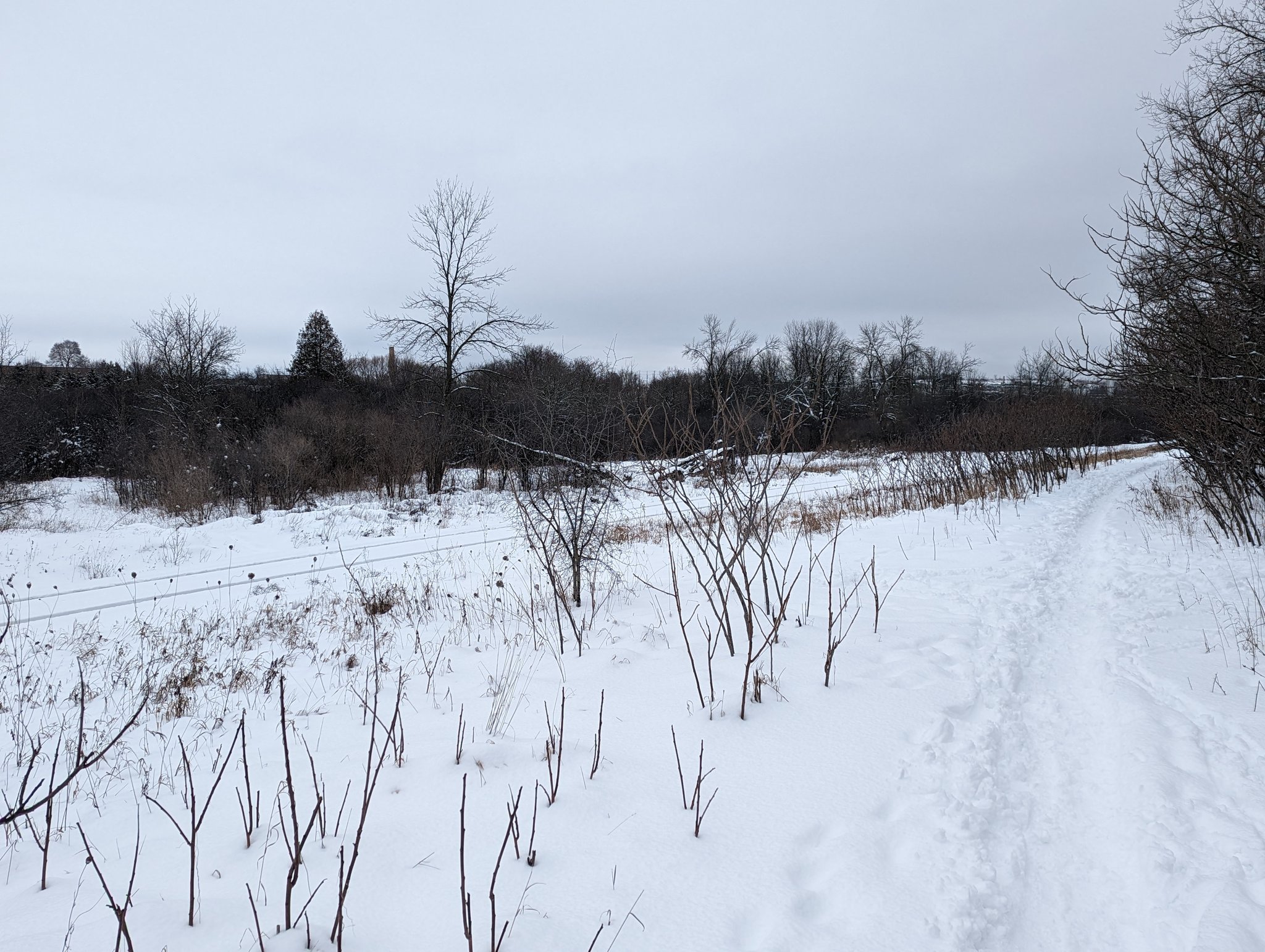
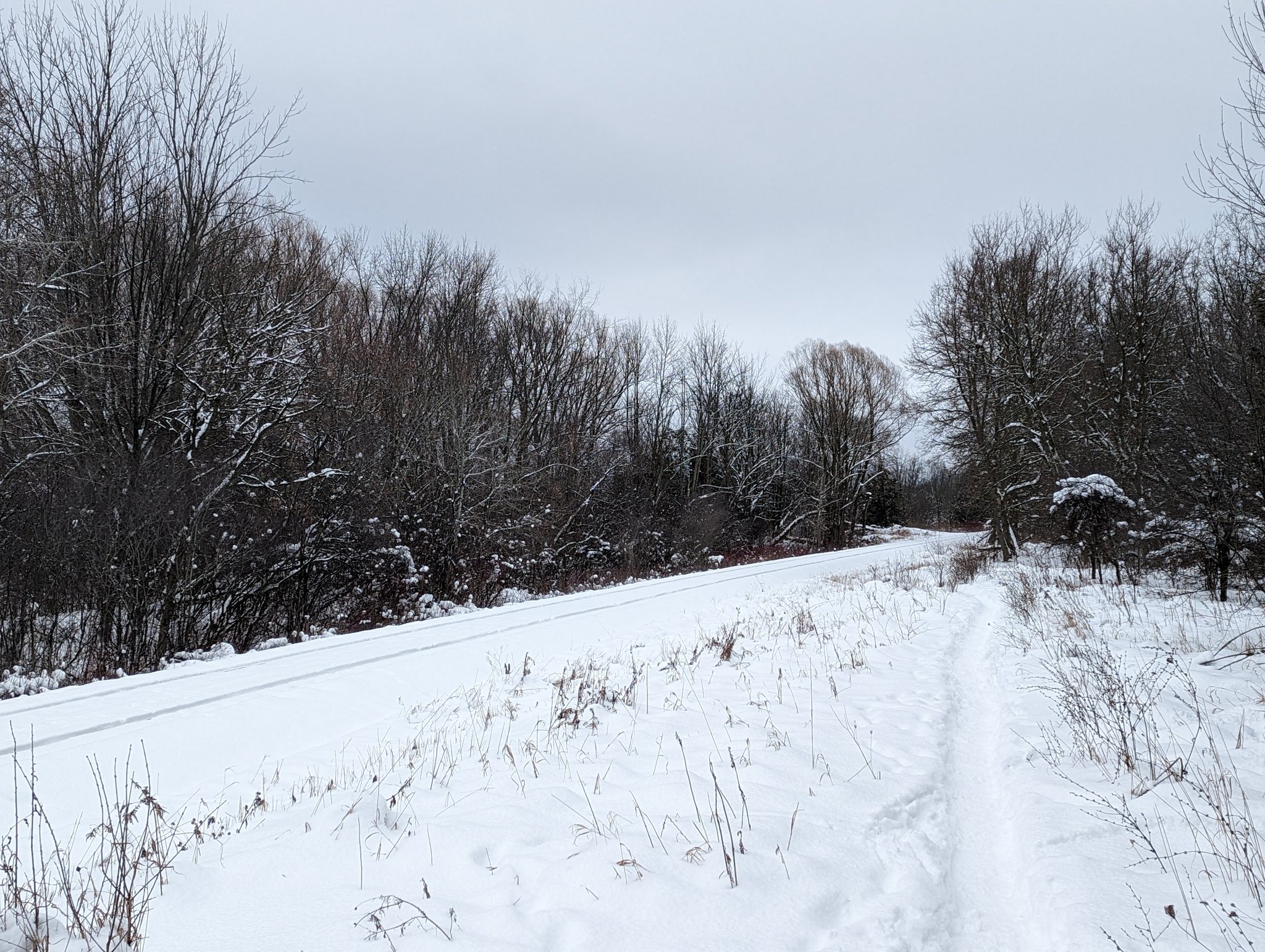
Being a city-owned corridor, much of the tracks are paralleled by a trail. A formal trail exists between Speedvale and Macdonell, and a footpath parallels it between the Eramosa River and Stone Road.
As name suggests, the line was built north all the way to Goderich. This was abandoned in 1988, and in its place, the Guelph to Goderich Trail has slowly been built.
Check out Junction Railway for more images and descriptions











Fergus Spur
Area: 8.5 ha
Length: 2.8 km
Average Width: 31 m
Tracks: 1
Crossings:
Roads: 3
Highways: 1
Watercourses: 1
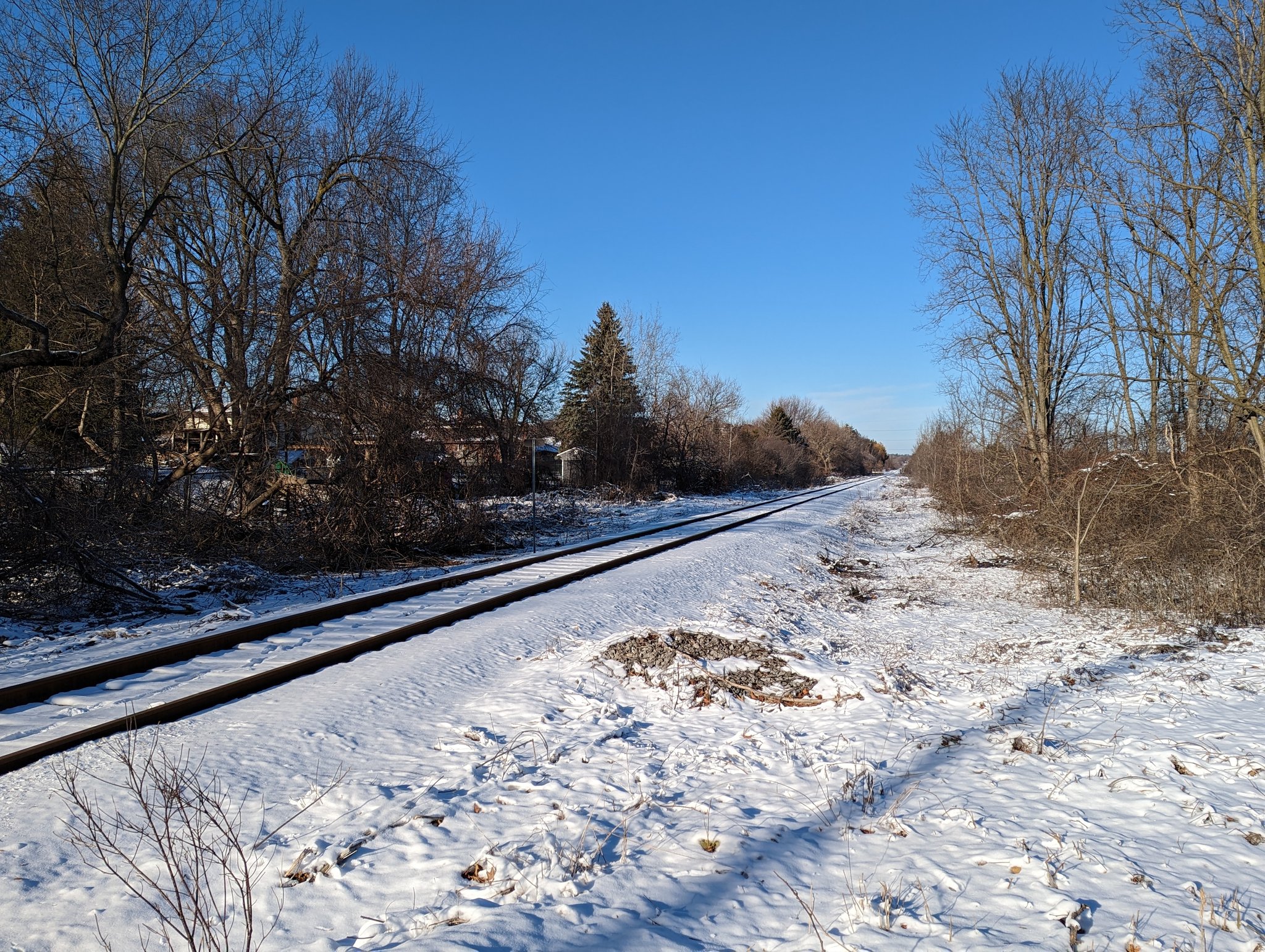
The Fergus Spur was established as the Guelph & Galt Railway (G&G) in 1856, at the same time the GTR came to town. This connected Guelph to Preston and Galt, now part of Cambridge. This then connected to the Great Western Railway (GWR), which continued to a line connecting London and Hamilton. Technically this was a second competitor for Guelph industry to choose in shipping their goods, but GTR bought GWR in 1882, creating the monopoly the City sought to free itself from two years later.
Service along the line has remained, even as GTR was folded into CN. Sections of the line in Cambridge and to the south have been slowly abandoned, and very little traffic uses the line today, although it is still operating.
Check out the tail end of Guelph Sub (Guelph) for more images and descriptions



Guelph North Spur and Industrial Spurs
Area: 10.2 / 15.8 ha
Length: 2.9 / 7.7 km
Average Width: 35 / 20 m
Tracks: 1
Crossings:
Roads: 10 / 6
Highways: 1

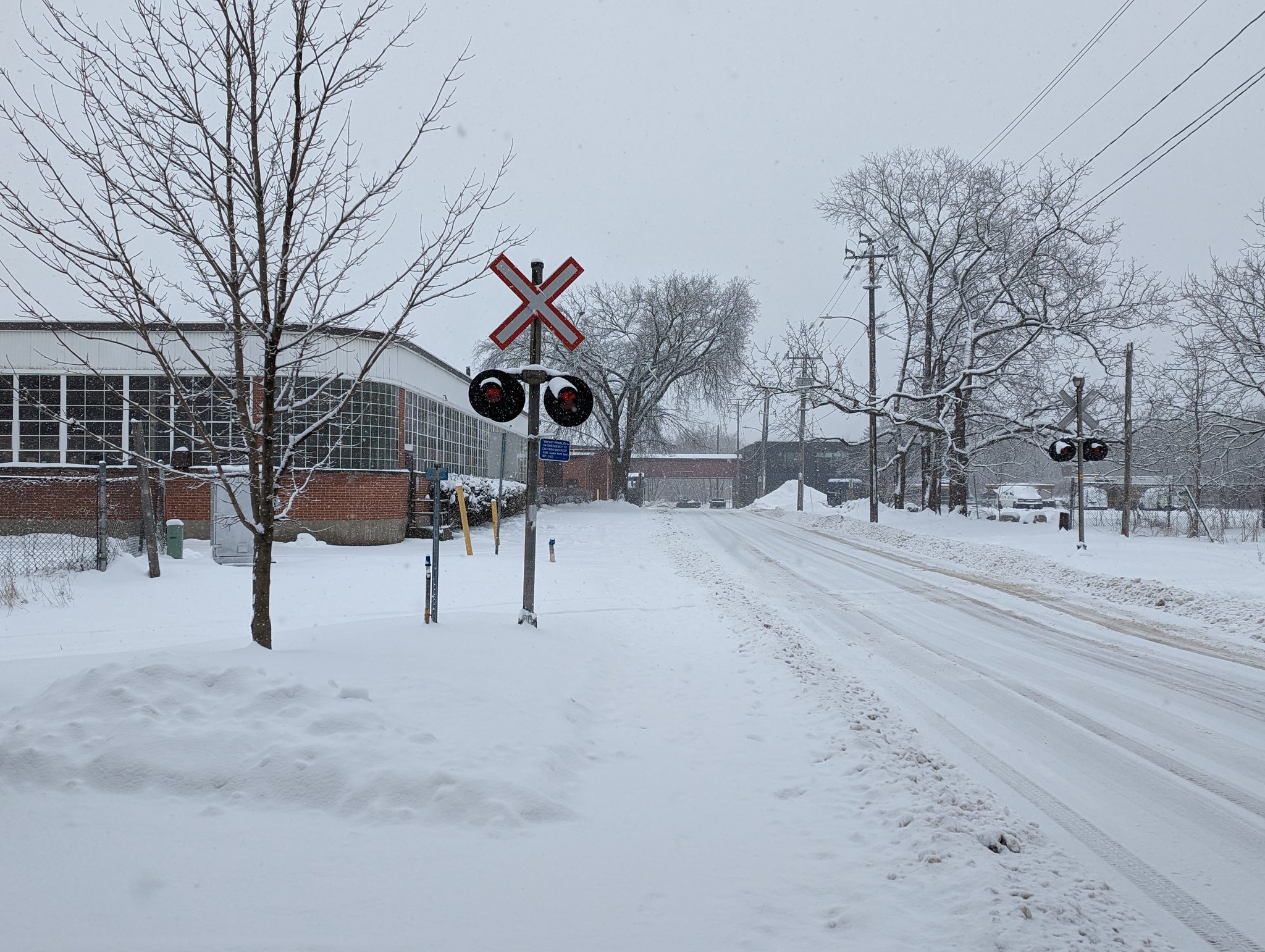
The Guelph North Spur opened in conjunction with the G&G in 1870, providing railway service for the city north to Elora and Fergus, and eventually Palmerston. It was owned and operated by the Wellington, Grey and Bruce Railway until GTR bought the railway in 1882.
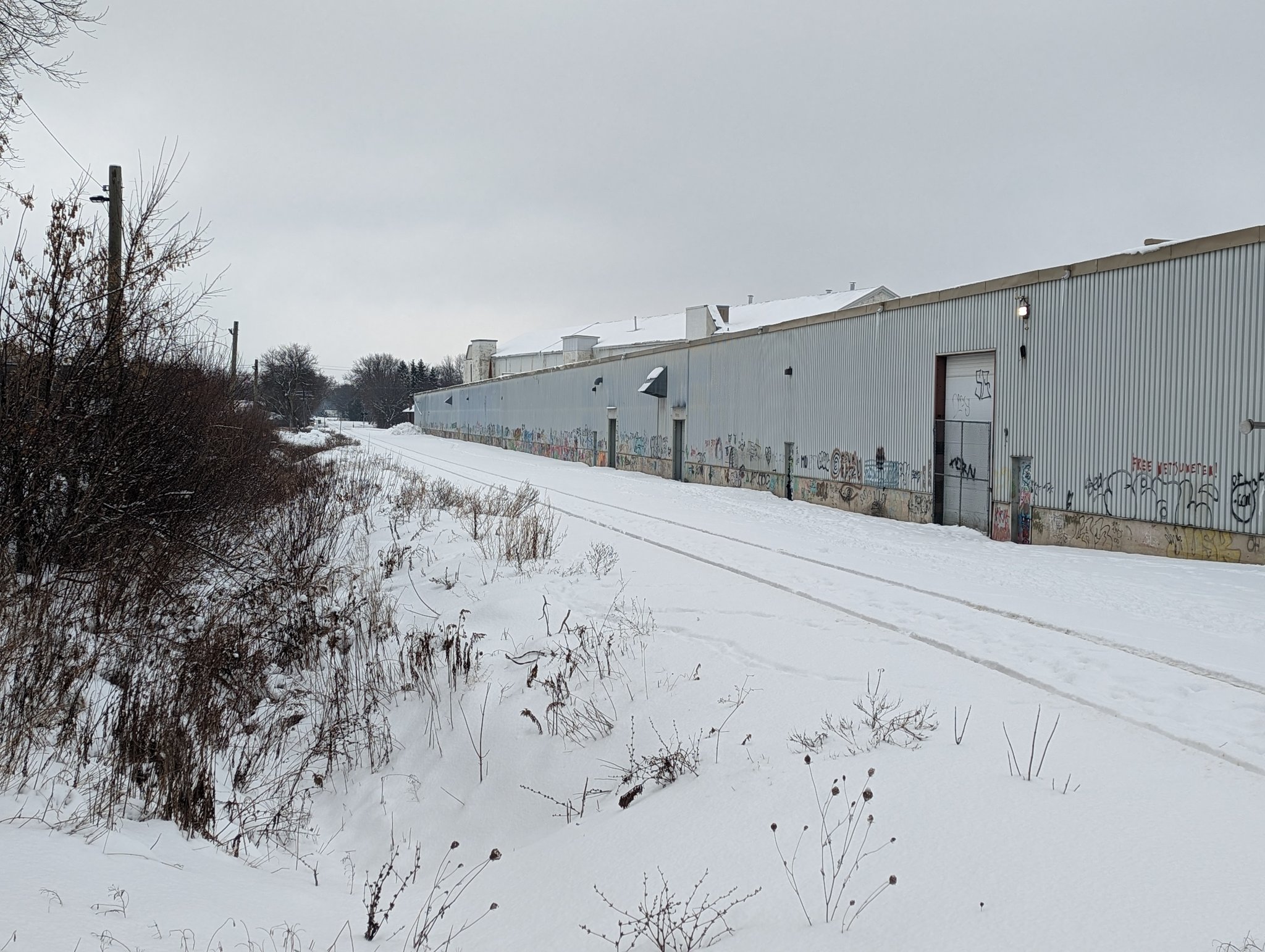
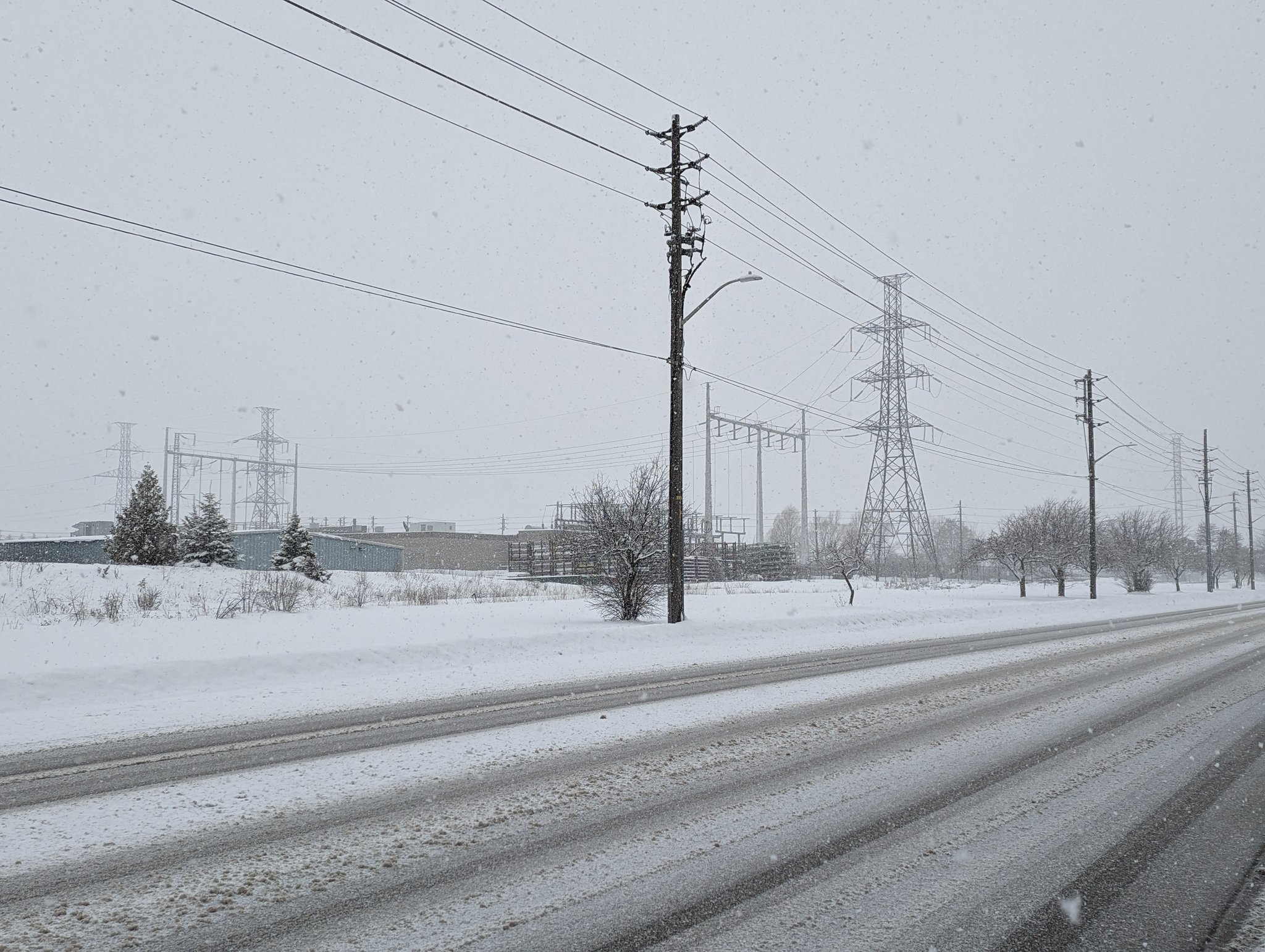
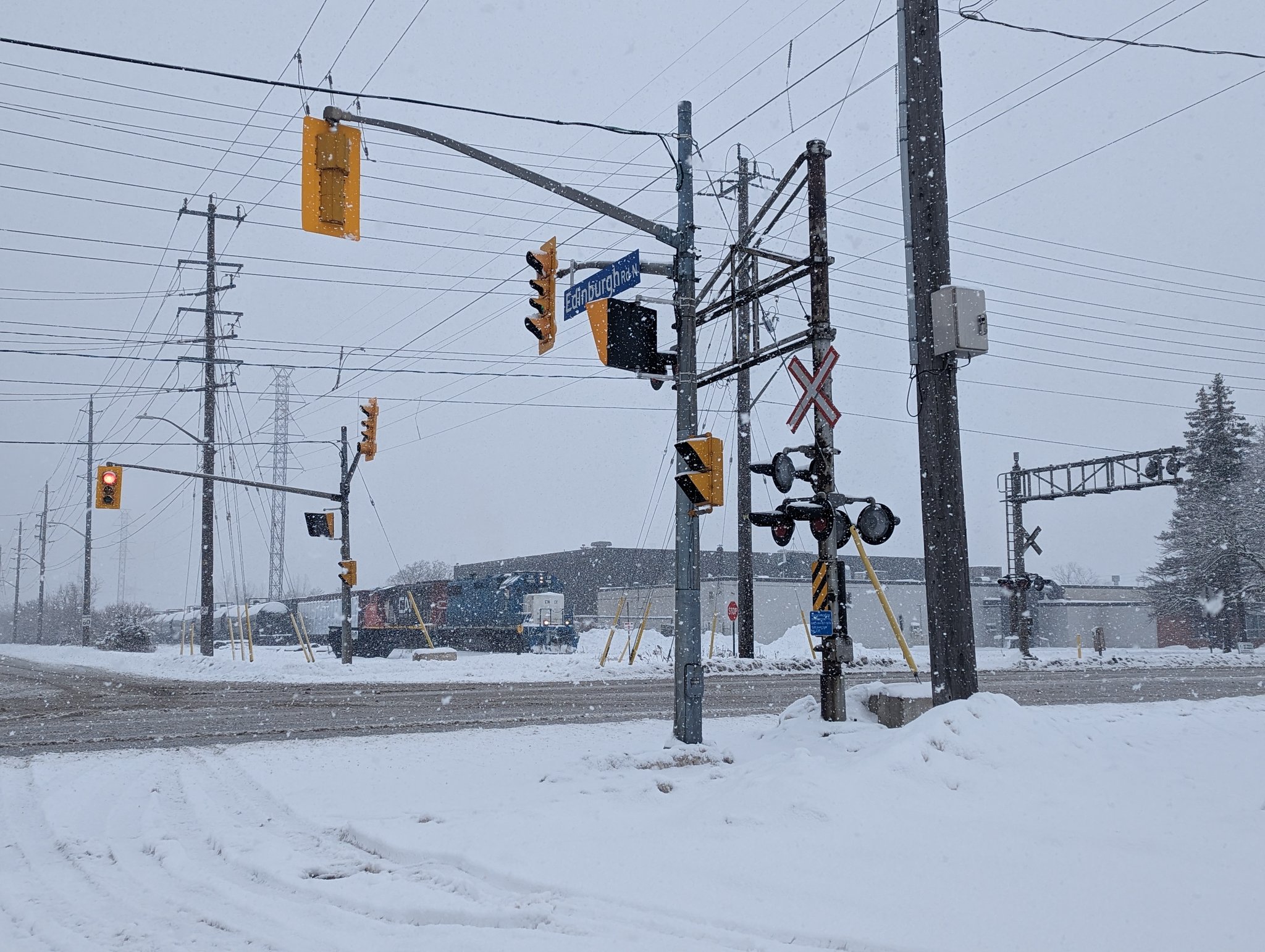
CN (GTR’s successor) continued operating the line, with sections north of Guelph were abandoned in 1988. Today, CN owns the line up to a point east of the Dawson / Campbell Road intersection. The portion of the line north to the city limit, as well as the spurs that branch westwards to Elmira Road are part of GJR.
Check out Junction Railway for more images and descriptions






Notes / Disclaimers
- This data was drawn interpretively, using the Railway Association of Canada’s Canadian Rail Atlas as a general reference. Some interpretive refinements were made, and the exact extent of railway property may not be accurate. Therefore this data is provided ‘as is’; please refer to additional disclaimers at the Open Data page.
- While this website advocates for greater active transportation access across and parallel to railways, they are private property and are dangerous places. DO NOT trespass on railways; over 100 Canadians are killed or seriously injured trespassing on or crossing railways each year. Remember that train time is anytime.

This dataset is available in multiple formats through the Open Data Portal


 Metroscapes