
Hey there. I kicked off September with another chapter of my expansion, and took a walk in Niagara Region. I walked along an intriguing river stretching from the Niagara Escarpment to Lake Ontario, cutting through St Catharines.
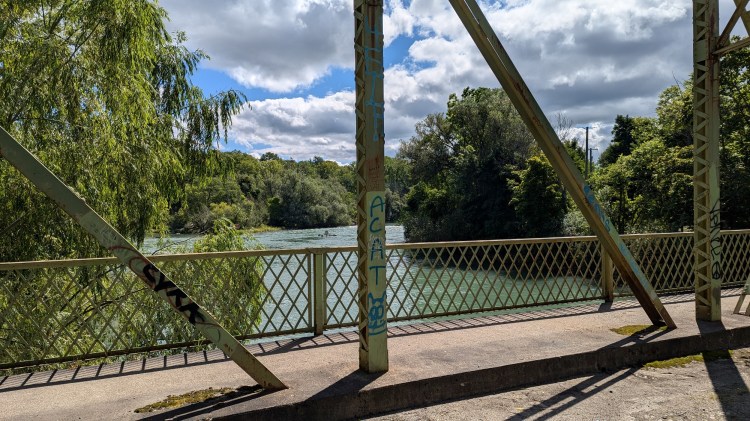
See scenes from the first Metroscapes walk in Niagara
2024/09/02 – Twelve Mile Creek
Now when I was doing my 2023 in Review, I had envisioned only expanding to the west GTA. And as I wrote in a subsequent blog post, I just went all out and set my sights on the entire GTA and Niagara. Niagara in particular has a lot of attractions that draw me to explore.
Many parts of Niagara are rural. When I encountered this issue in Hamilton, I scoped my area of analysis to focus on the urban core. I need to do the same in Niagara; the Region covers 185,423 hectares, but I will mostly stick within 18% of that. That may change, I still haven’t decided what to do with Grimsby, Beamsville, or the rural space between them, the lake, St Catharines and the QEW.
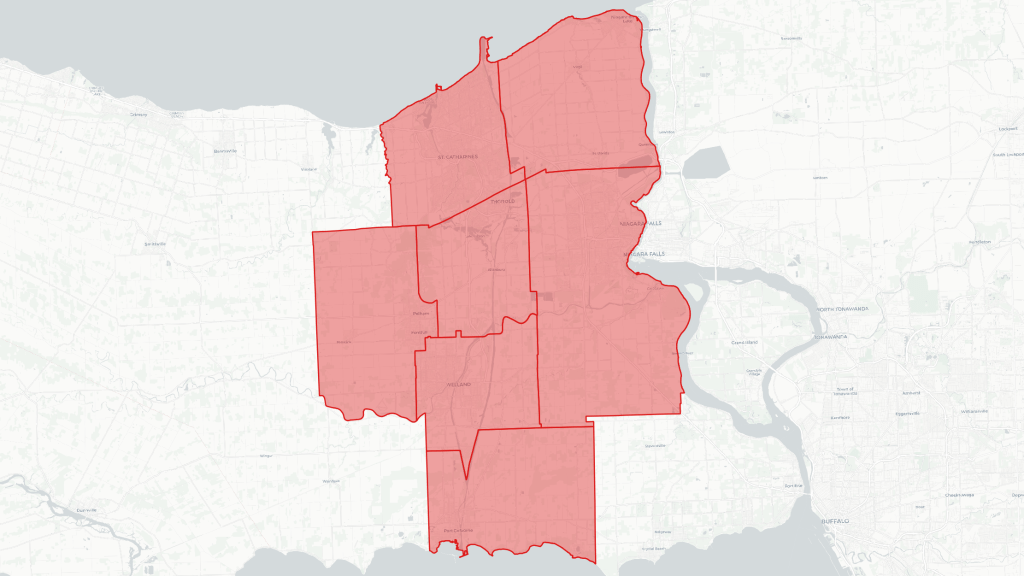
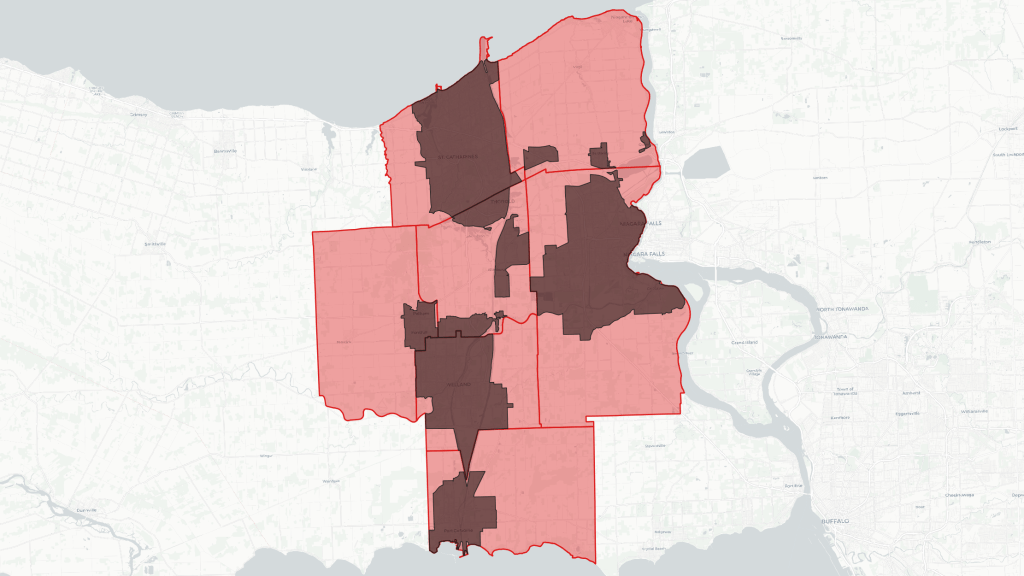
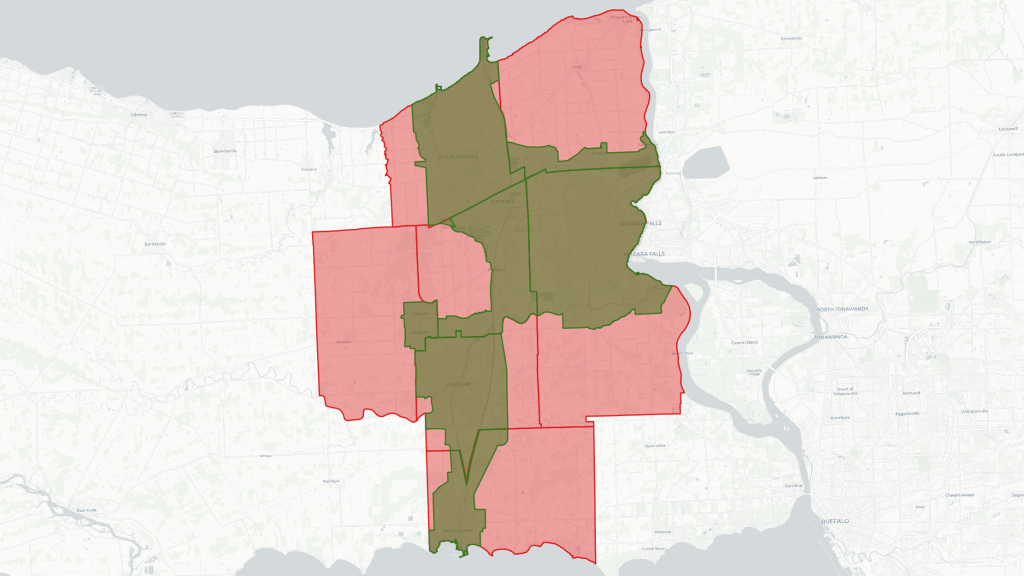

Like Hamilton, the Niagara Escarpment is a defining feature of the urban areas here. But there are a couple key ways that has shaped the Niagara Region differently.
First, the Niagara River is the main conduit between Lakes Erie and Ontario, making it a massive. The river and the falls are absolutely majestic, a worldwide tourist attraction, and that has shaped the city around it (as has the fact that it hugs an international border).
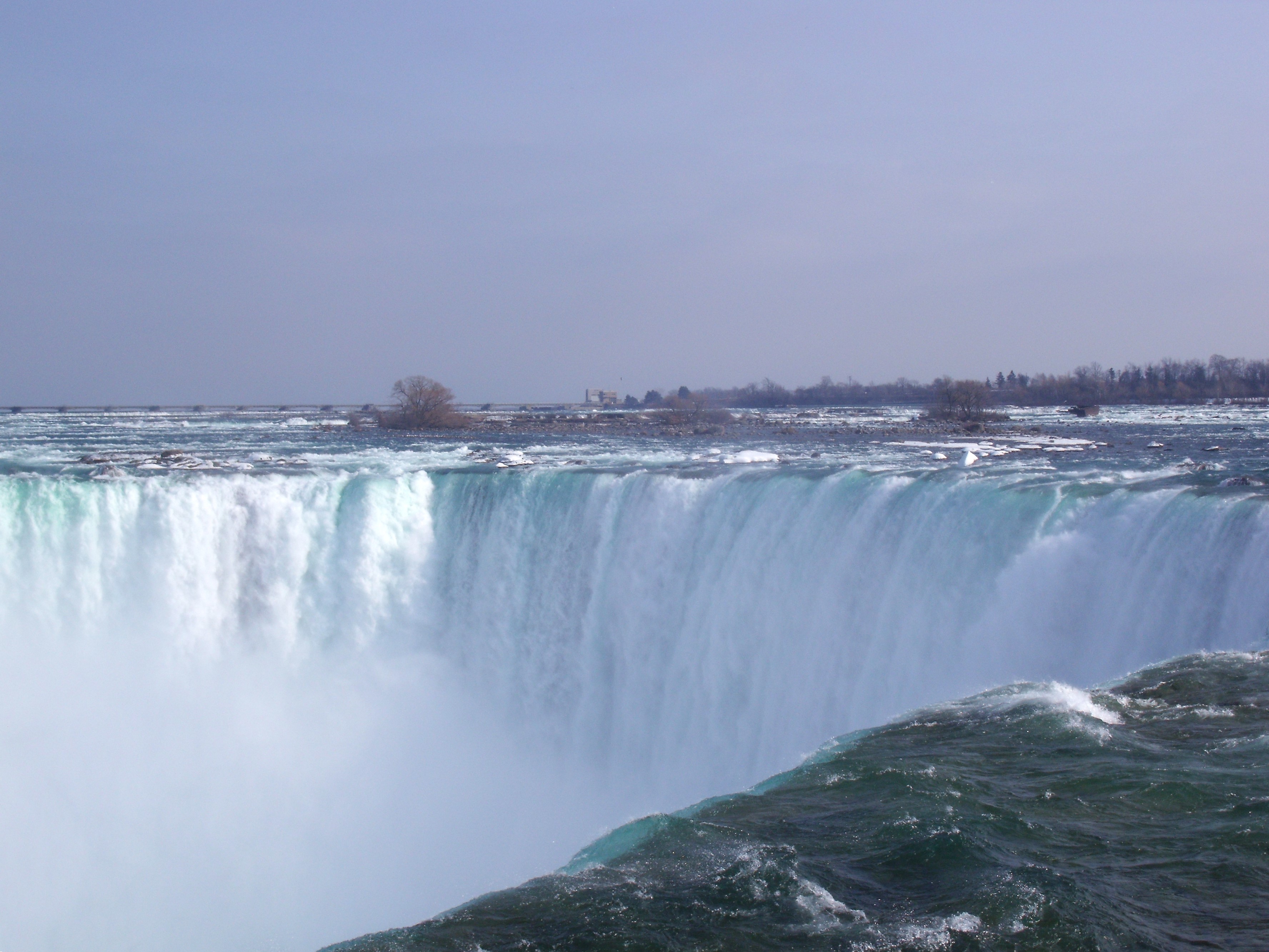
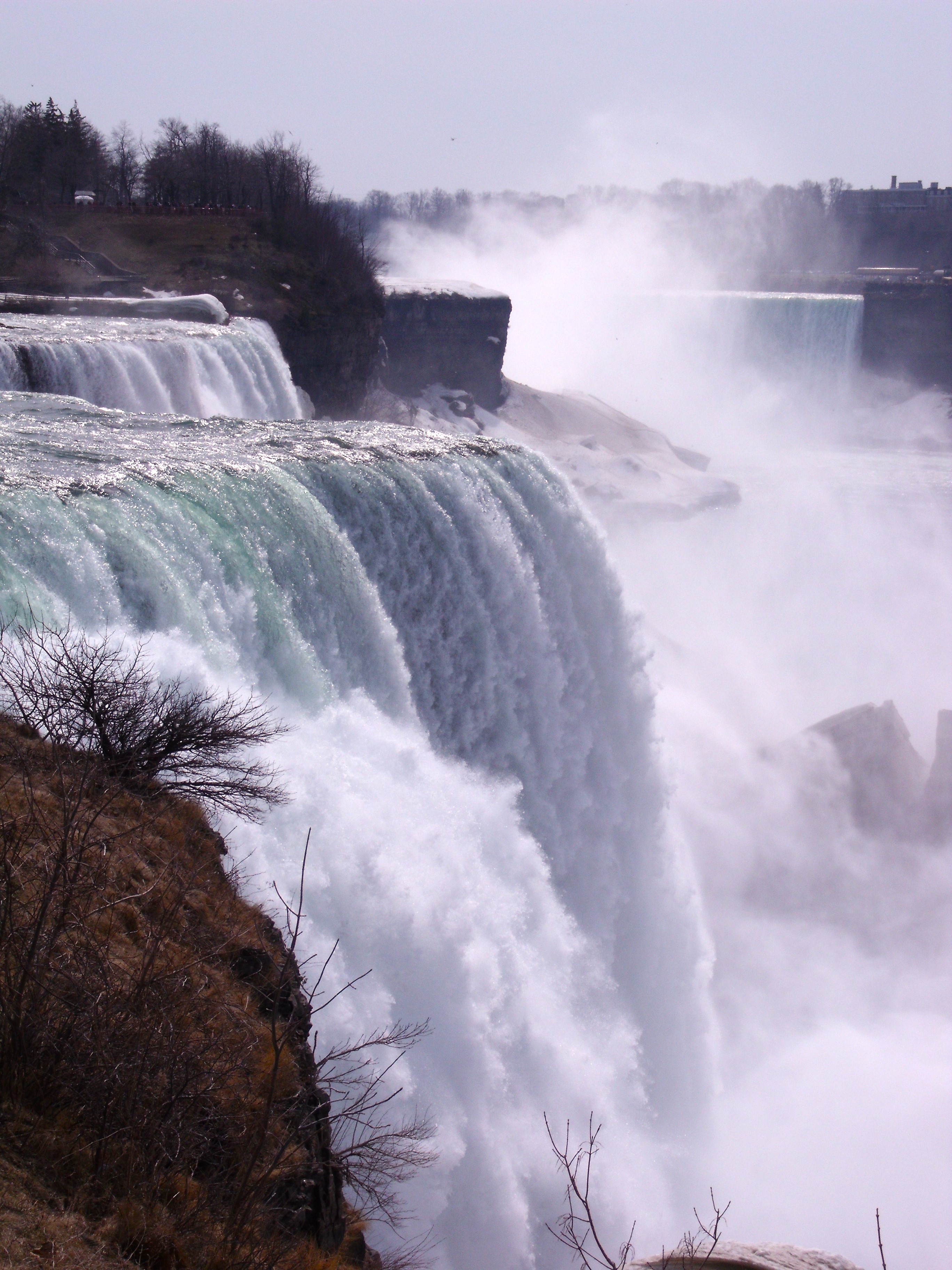
Second, Nikola Tesla and George Westinghouse first used hydroelectric generation at Niagara Falls, paired with alternating current to deliver power over large distances. Since then, hydroelectric power and the associated transmission has continued to shape the region, including tunnels, a canal reversing part of a river, a 700 hectare complex for two major generating stations, and a lake complex.
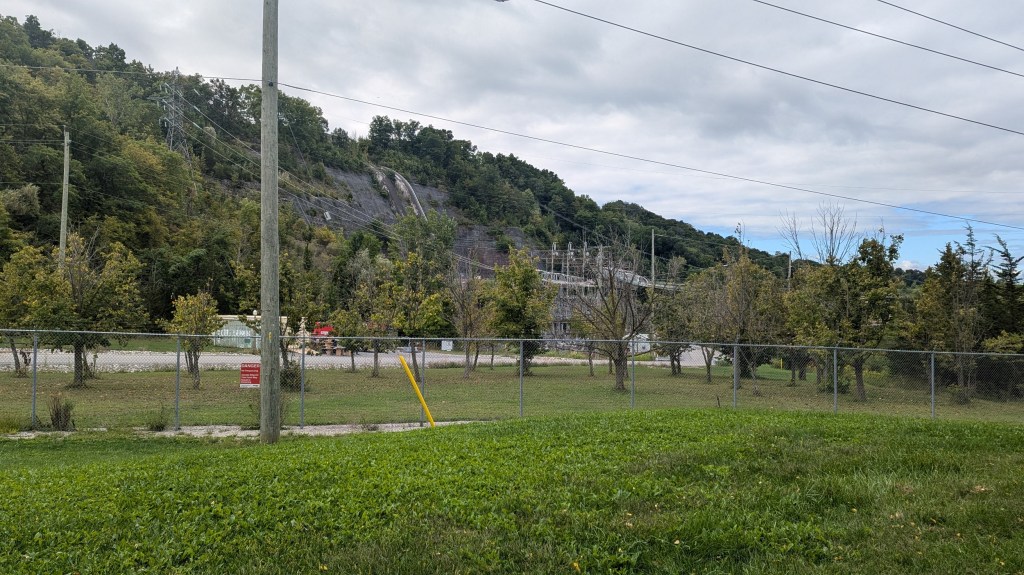
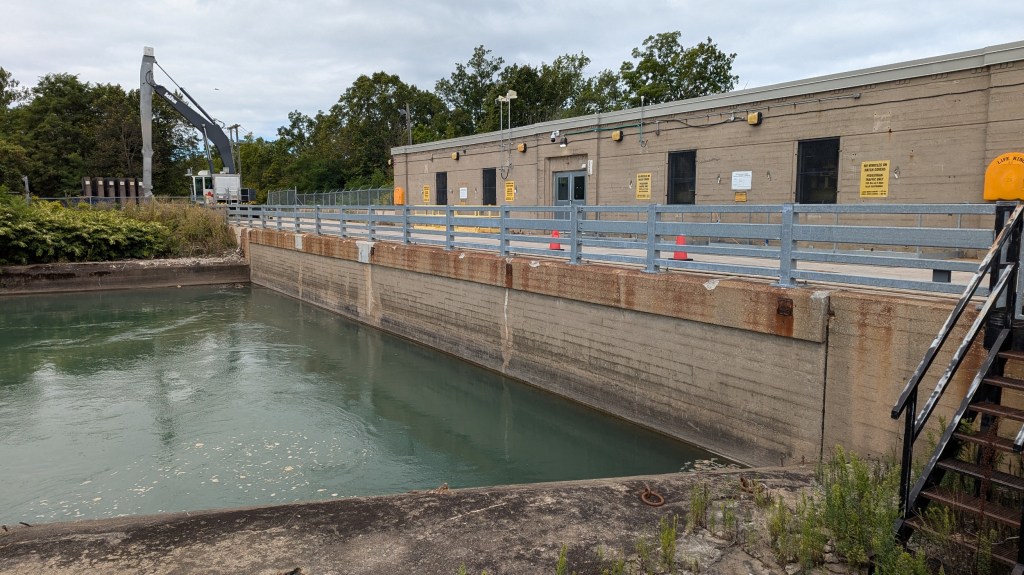
Third, the importance of shipping in the 19th and early 20th centuries pushed government and industry to find a route conquering the 100 metre vertical difference. This resulted in the Welland Canal, which has seen four iterations over a 200 year history, and considerably altered the landscape.
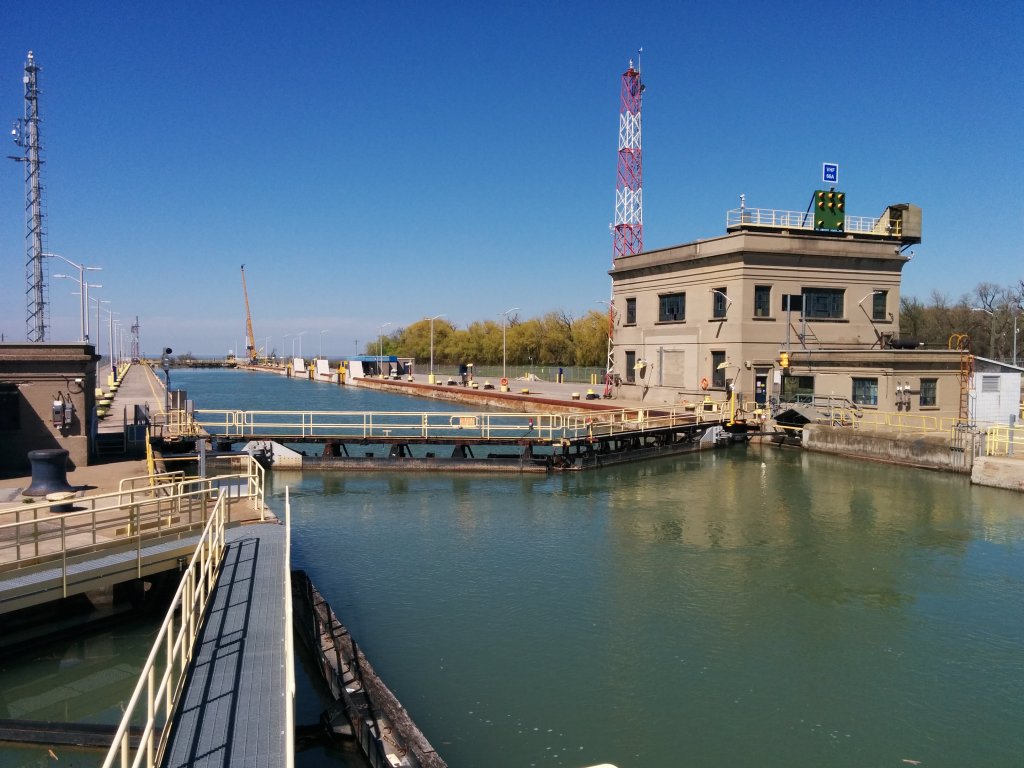
All of these, with the average spaces I usually explore and rapid population growth, make Niagara an attractive playground of where natural and built environments collide.
I’m excited for more adventures here. While I’ve made considerable headway, I’ll need some more time to finish some projects and analysis, so stay tuned for that.
 Metroscapes